
If your concrete is cracked, stained, or just looking tired, you might be wondering what it'll take to fix it and how to keep it from getting worse. With so many coating options there, it's easy to get overwhelmed.
At Roe Painting, we've spent over 25 years helping homeowners protect and transform their concrete surfaces. We specialize in high-performance solutions that last, especially in outdoor conditions.
In this guide, you'll learn what concrete coatings are, how much they cost, how long they last, and which option — epoxy, polyurea, or polyaspartic — is right for your garage, patio, or driveway.
We'll cover:
- What is a Concrete Coating and Why Use One?
- How Much Do Concrete Coatings Cost and Why?
- How Long Do Concrete Coatings Last?
- Which Coating is Best for Your Surface
- How to Choose Between Epoxy, Polyurea, and Polyaspartic
- Will My Coating Crack? What You Need to Know
Article Summary:
Concrete coatings protect and enhance garage, patio, and driveway surfaces by sealing and strengthening the concrete. Options like epoxy, polyurea, and polyaspartic vary in cost, durability, and cure time.
While epoxy is more affordable, polyurea and polyaspartic offer better UV resistance, flexibility, and long-term performance. Most concrete coatings should last 10 or more years and some installations can be complete in 1-2 days.
What is a Concrete Coating and Why Use One?
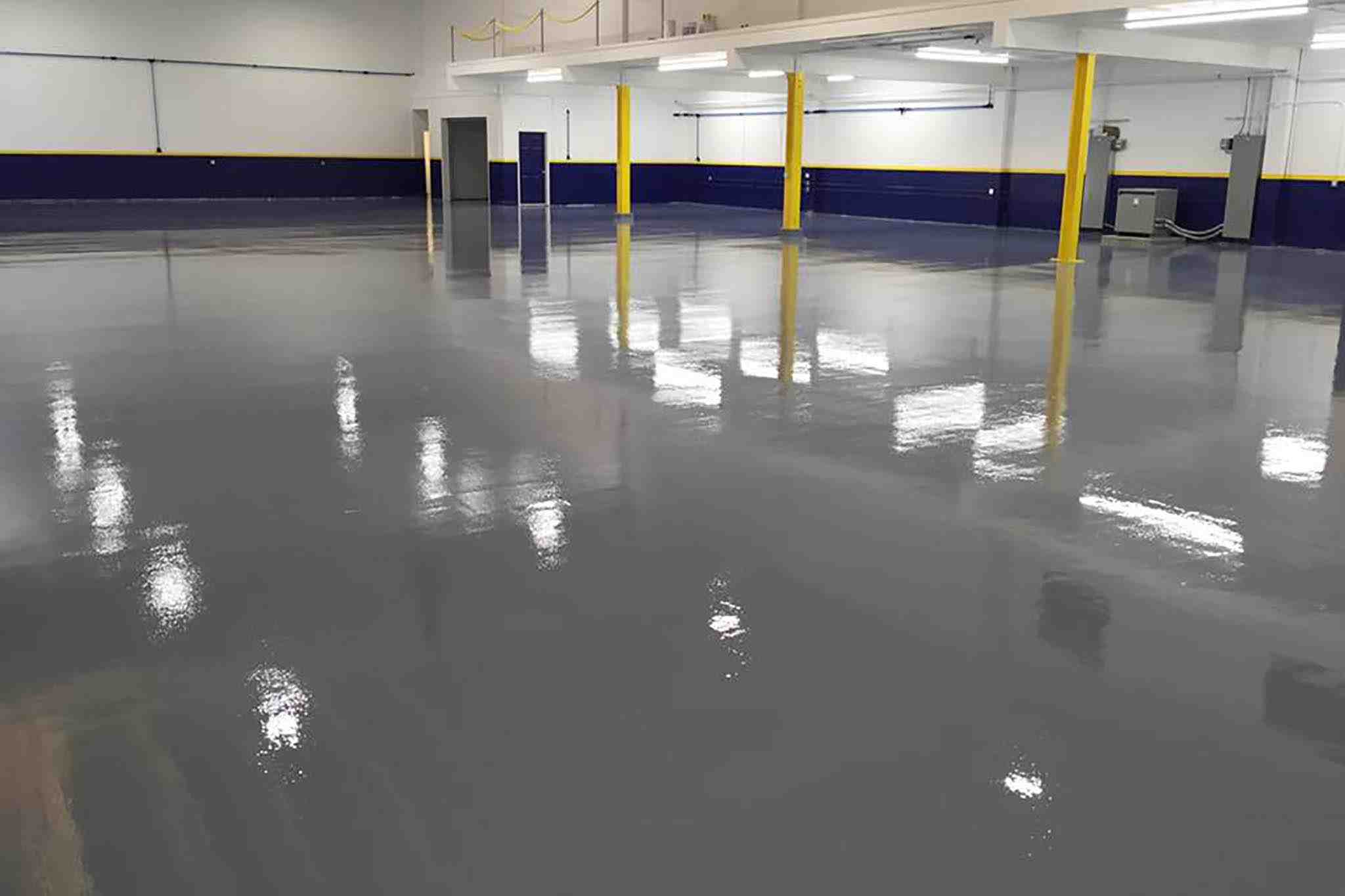
Concrete coatings are protective layers applied to the surface of concrete to extend its life, improve its appearance, and make it easier to clean and maintain. Instead of letting your garage, driveway, or patio absorb oil, moisture, and stains or let cracking worsen, a coating adds a durable shield that seals the surface.
Most coatings also give your concrete a polished, finished look that can range from subtle to decorative. And because many systems are stain-resistant, waterproof, and UV-stable, they make day-to-day upkeep much simpler.
You might consider a coating if your concrete is showing signs of wear, or if you simply want to protect a new slab from future damage. Just keep in mind: If your concrete is newly poured, it should cure for about 30 days before coating begins.
How Much Do Concrete Coatings Cost?
A concrete coating can cost anywhere from $1.25 to $12 per square foot. A significant factor in deciding whether to coat your concrete is cost. Prices can vary based on the coating type, the space size, and prep work required.
Here are a few examples of floor coatings you might be considering and what they'll cost:
- If you just want to seal and protect your concrete from water and ice damage, you'll pay around $1.25 per square foot.
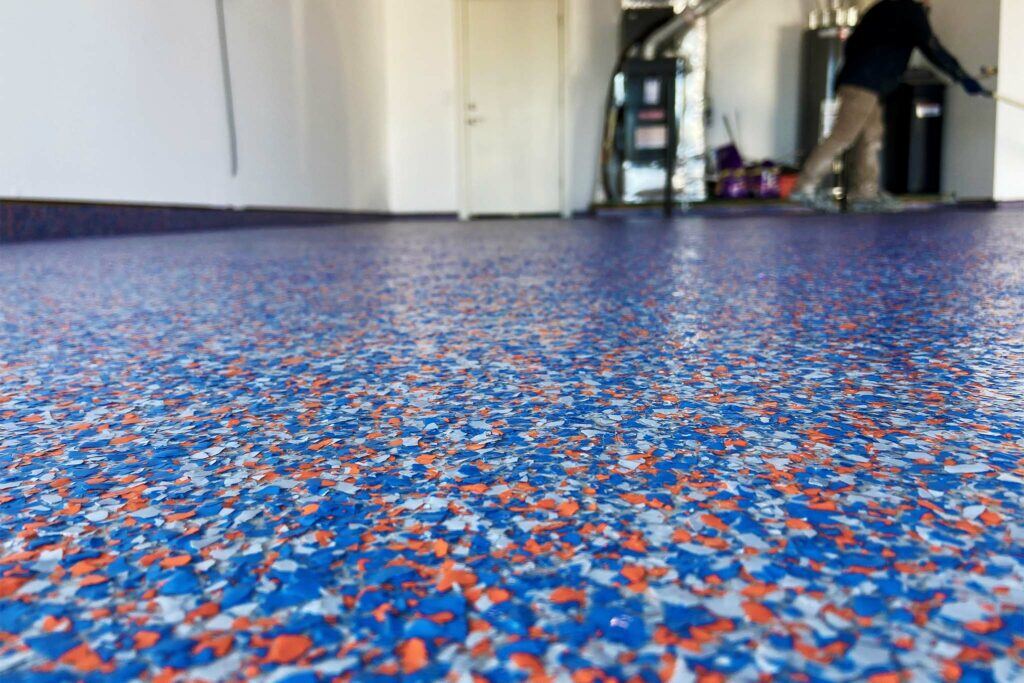
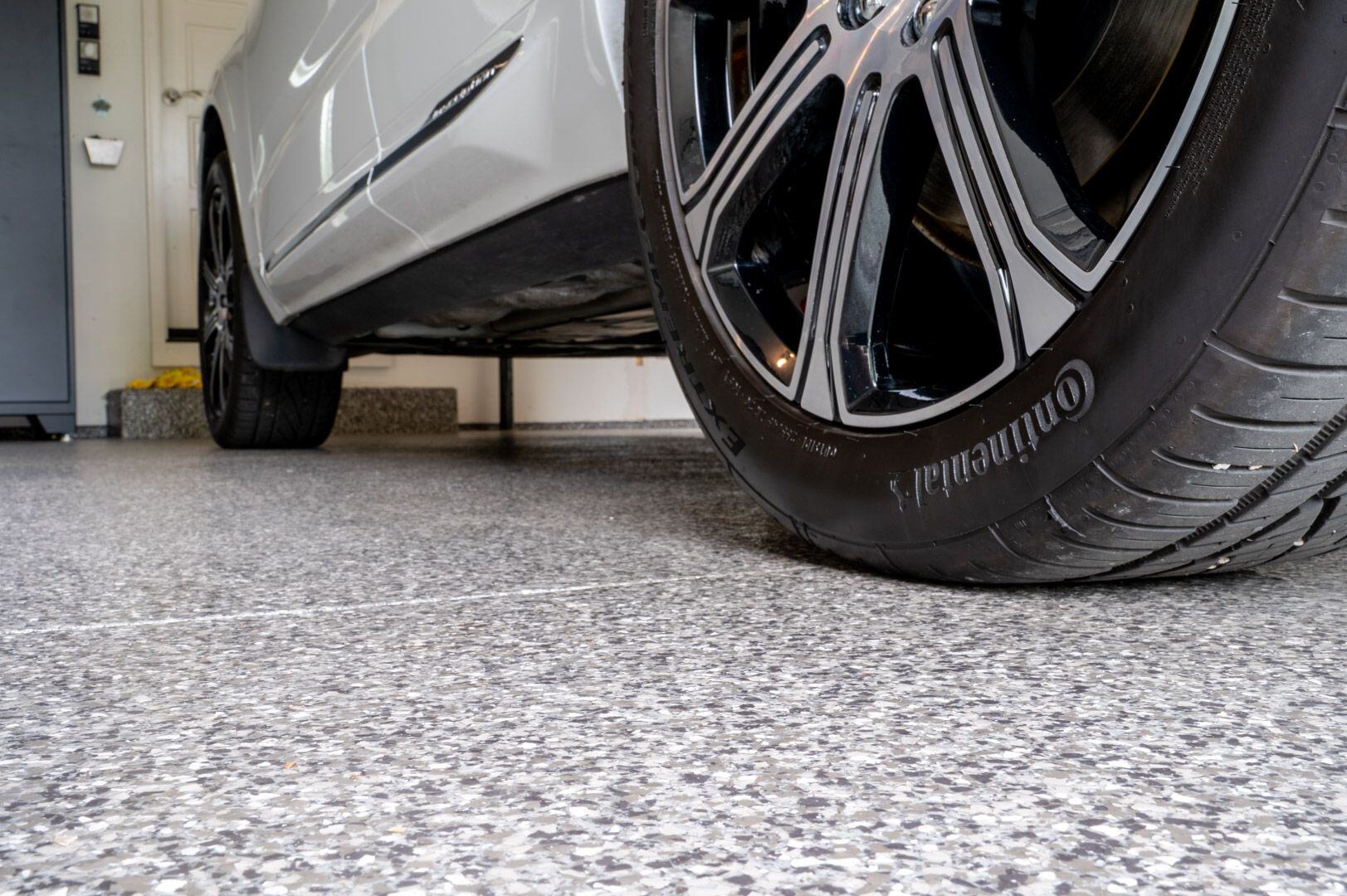
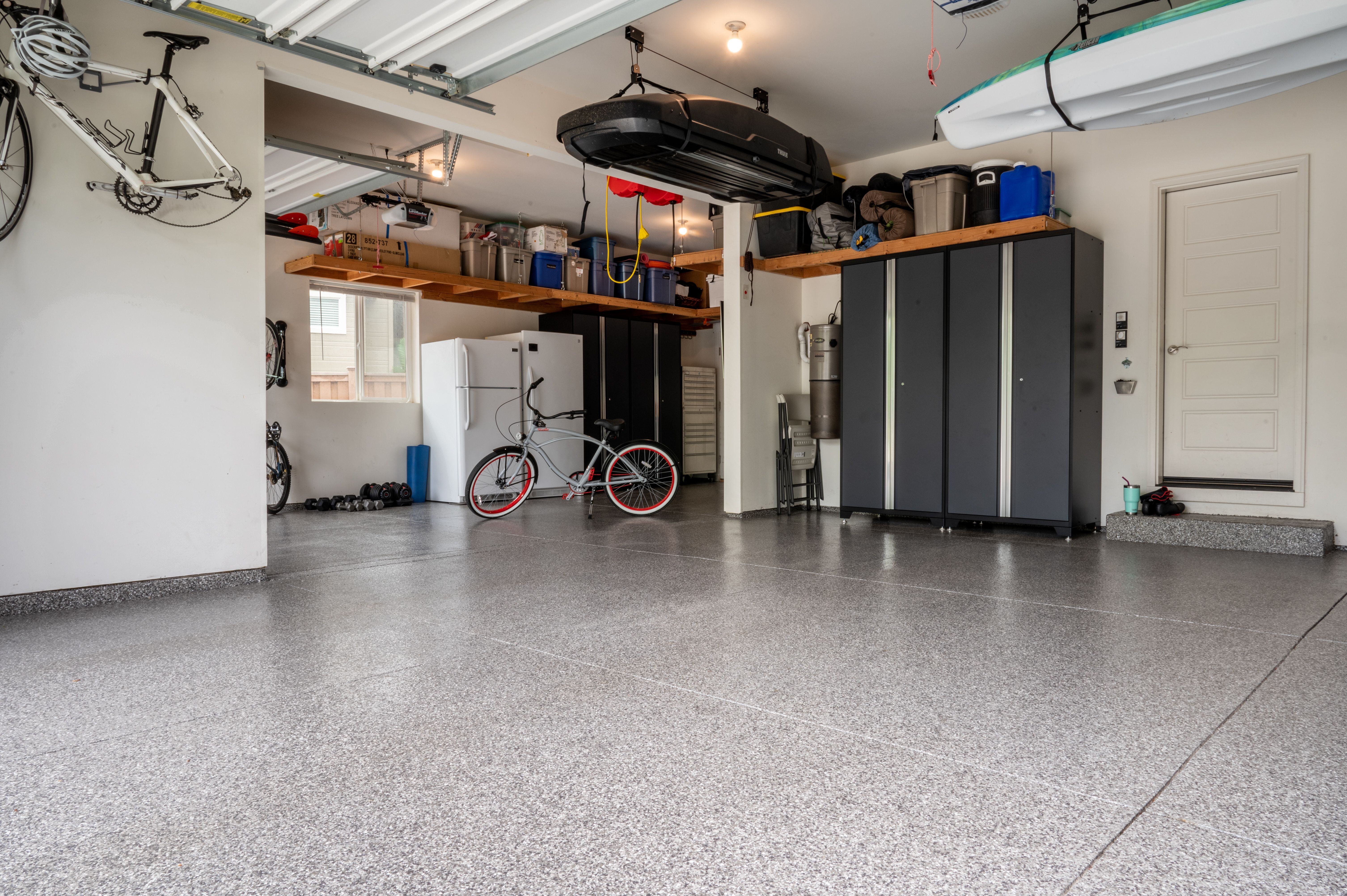
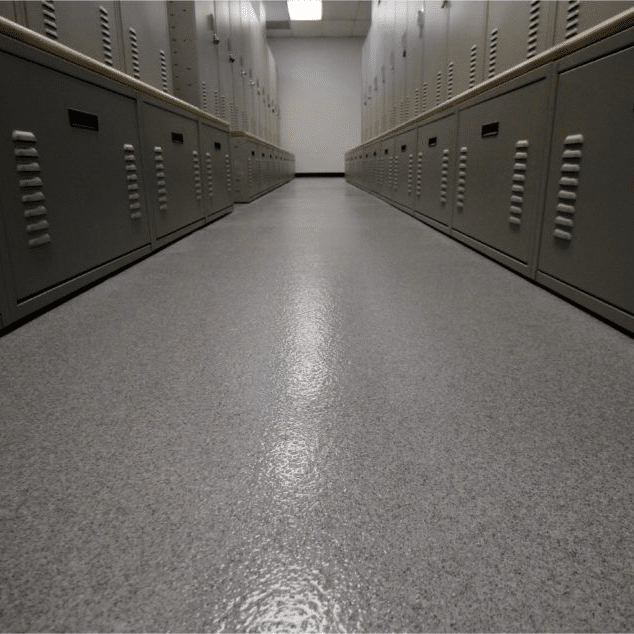
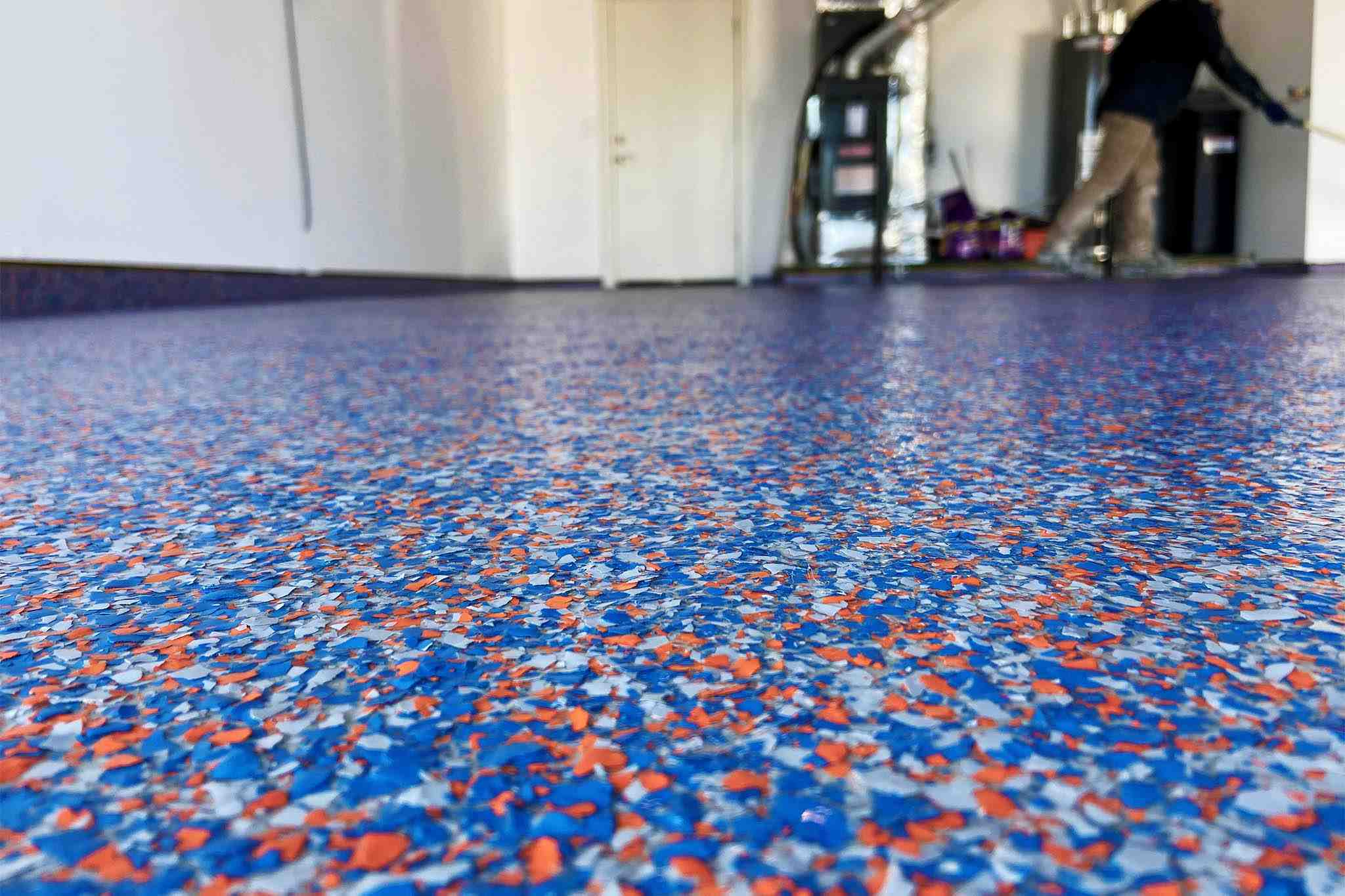
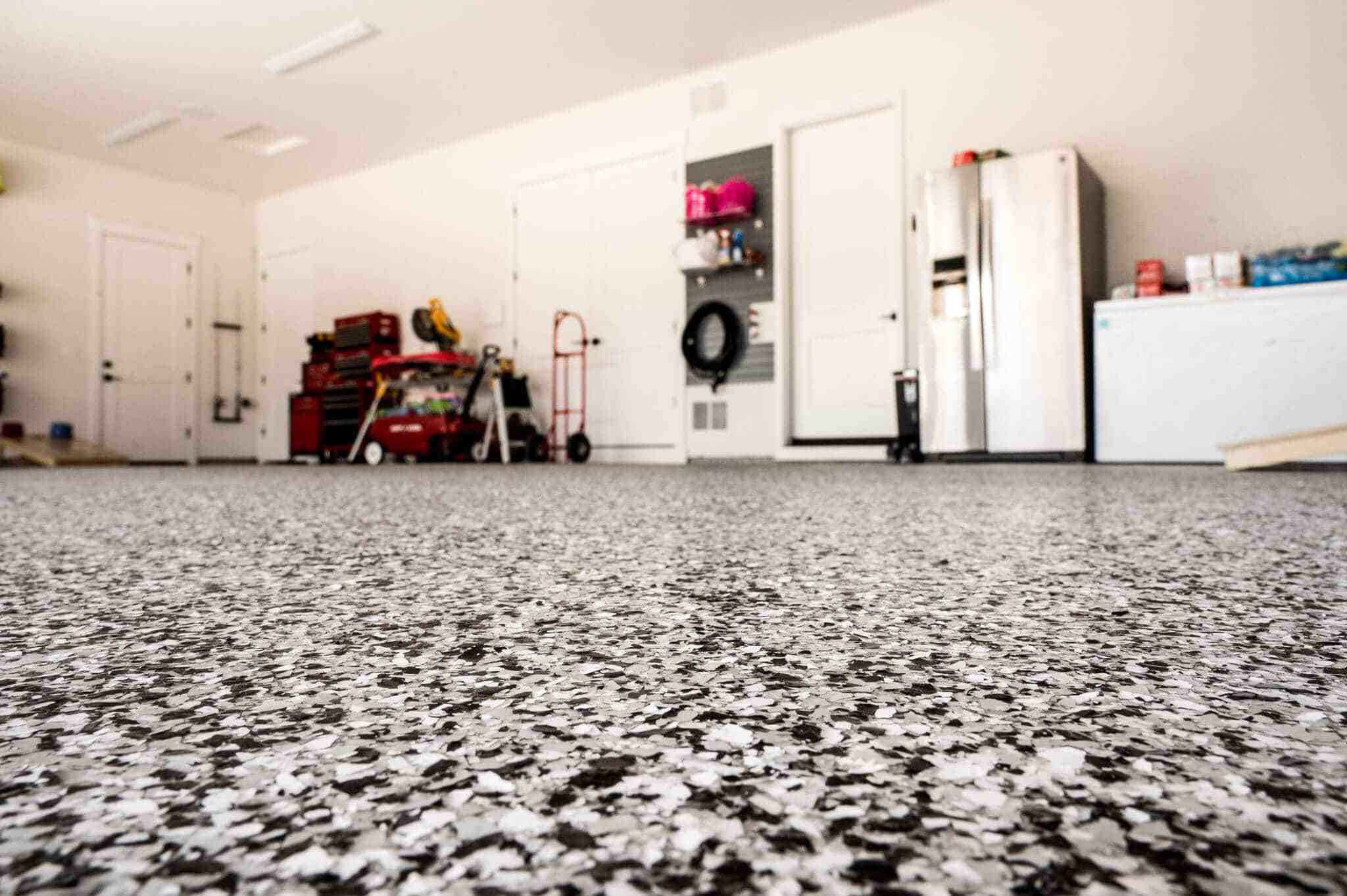
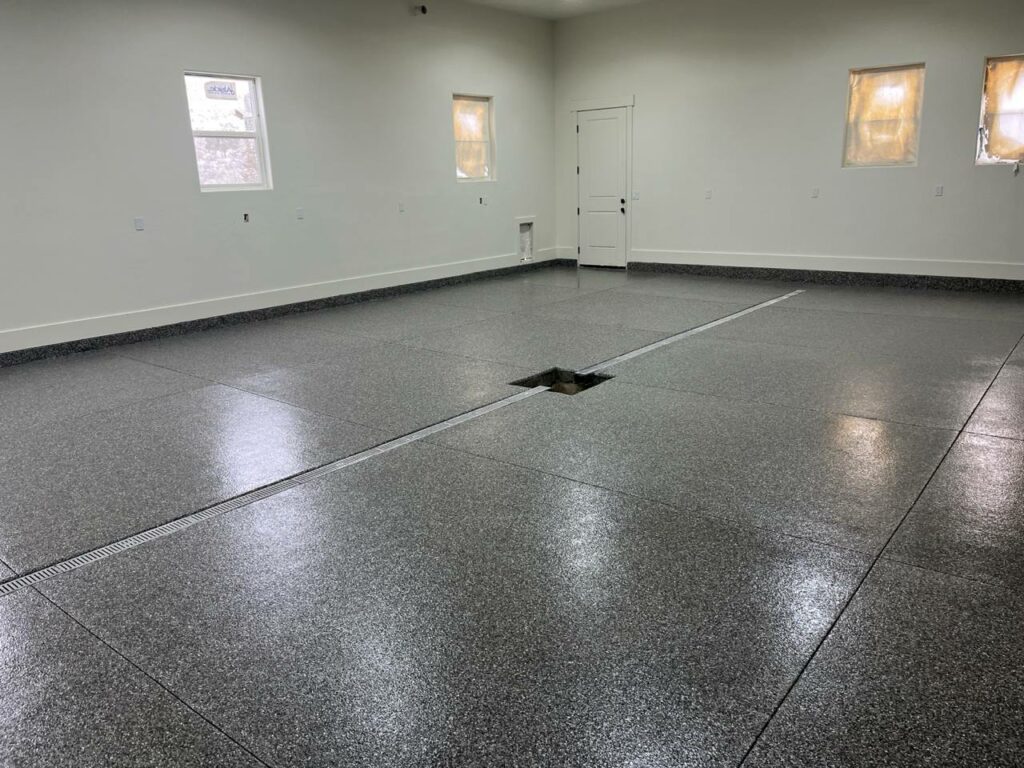
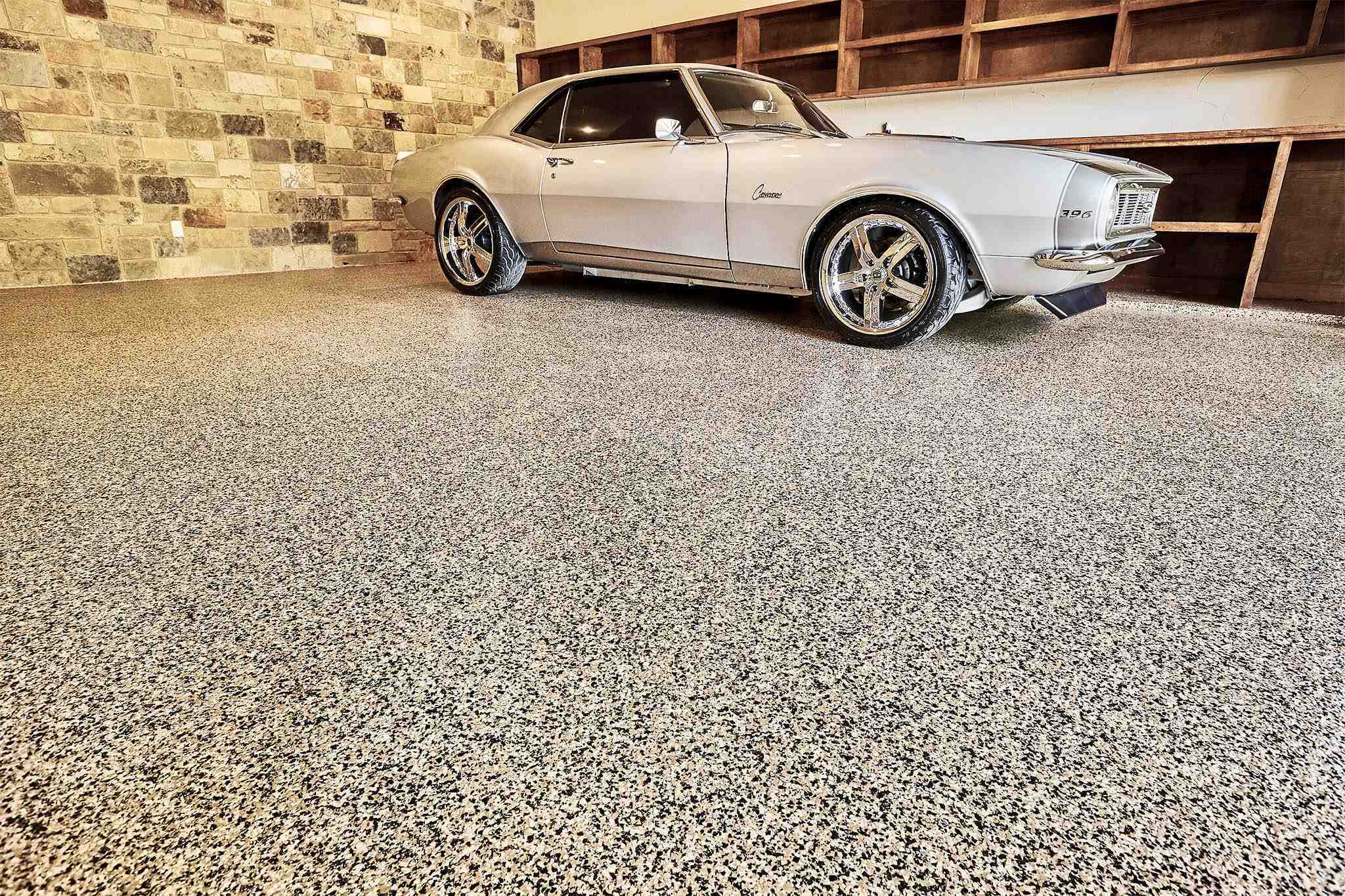
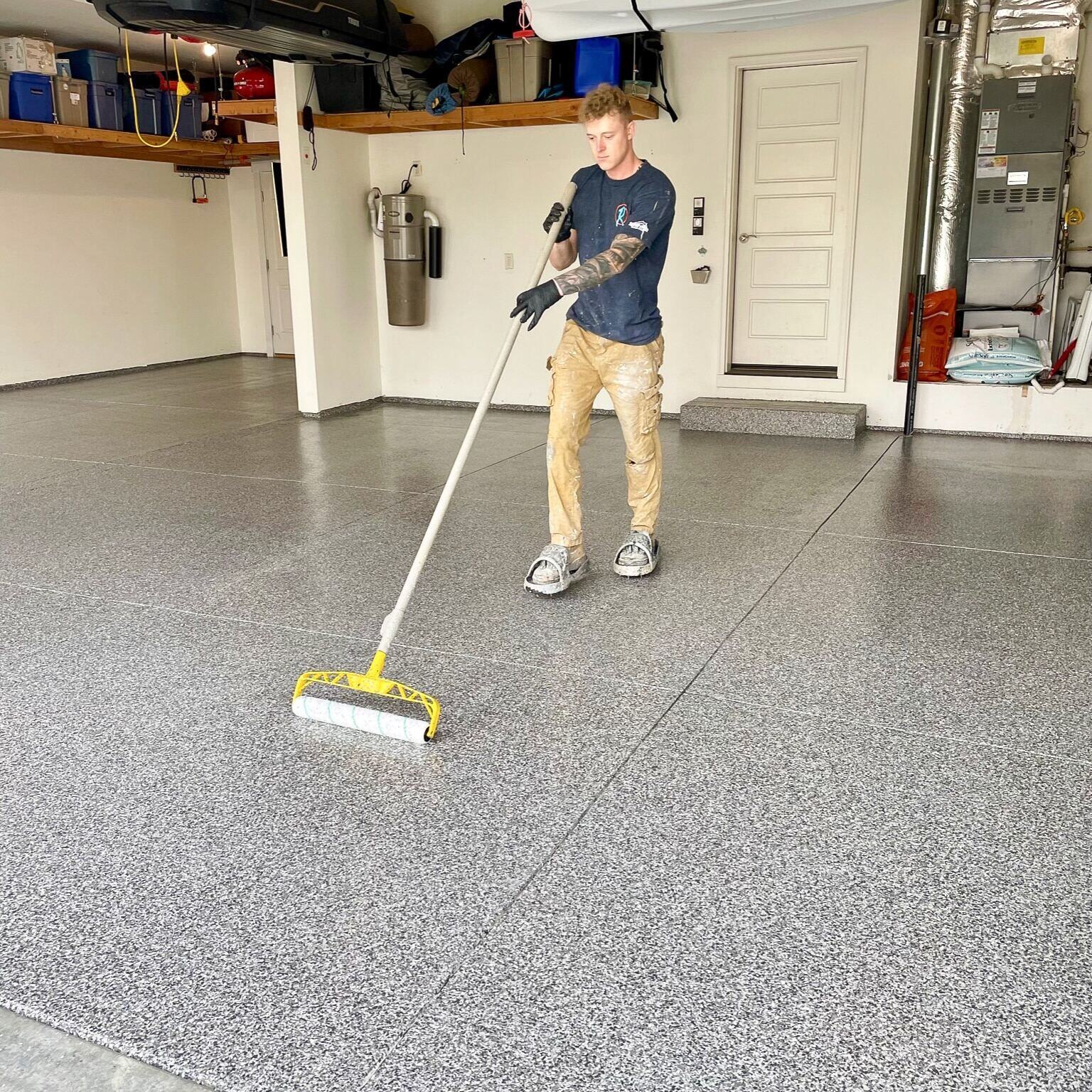
- If you are looking for that classic decorative flake floor in your garage (usually an epoxy, polyurea, or polyaspartic system), you'll pay anywhere from $5.50 to $6.50 per square foot.
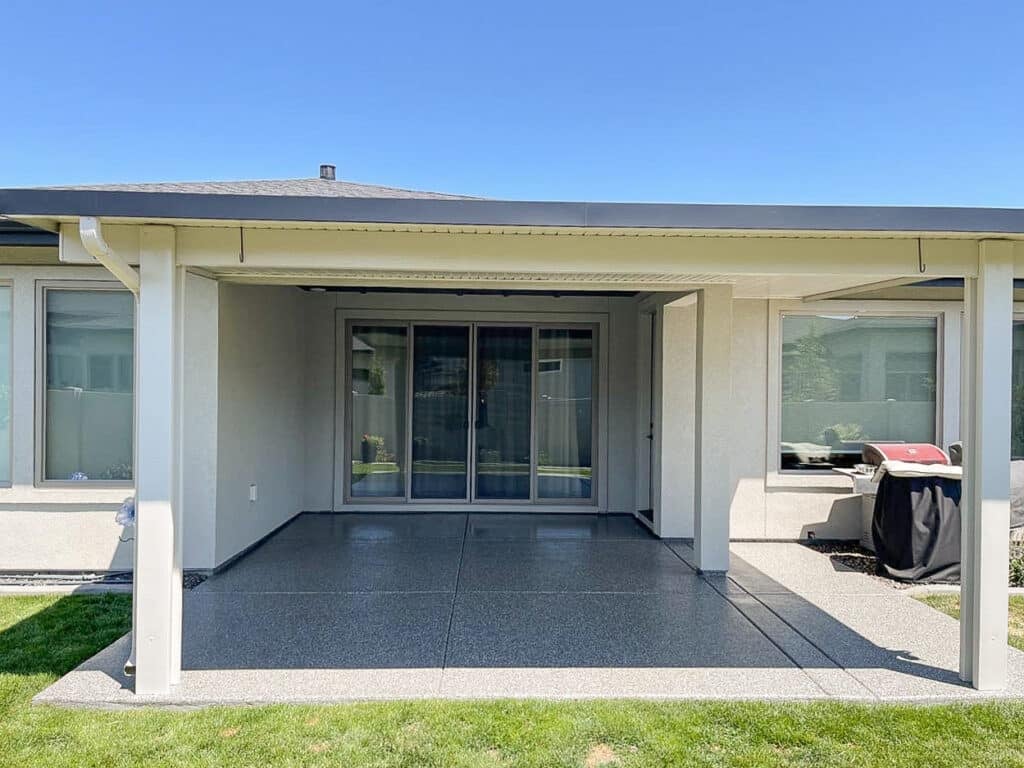
- If you need a solid color coating down on your porches, walkways, or patios, you'll see prices start at $5.00 per square foot.
Even if you are dealing with concrete that is cracking or spalling and trying to find a solution, we can resurface concrete with NewCrete from RapidSet for only $5 per square foot, which is almost a quarter of the cost of demo and repouring a new slab.
For a full list of the concrete coatings and their prices that we offer in Idaho and Nevada, download the Concrete Coatings Pricing Guide below.

How Long Do Concrete Coatings Last?
The lifespan of a concrete coating depends on the type of product used, how well it was installed, and the conditions it's exposed to. On average, here's what you can expect:
- Epoxy coatings typically last 10-15 years, depending on foot and vehicle traffic.
- Polyurea and polyaspartic coatings can last 15 years or more with proper installation and care. These high-performance coatings are built for extreme durability.
Of course, no coating is indestructible. The longevity of any system also depends on surface prep, application quality, and how the space is used. A well-prepped floor in a residential garage will outlast one exposed to daily commercial vehicle traffic.
sdfWhich Coating is Best for Your Surface?
Not all concrete coatings perform the same in every environment. The right choice depends on where you're applying it and how the surface will be used. Here's how the most common coating options compare based on location:
Garages & Indoor Spaces
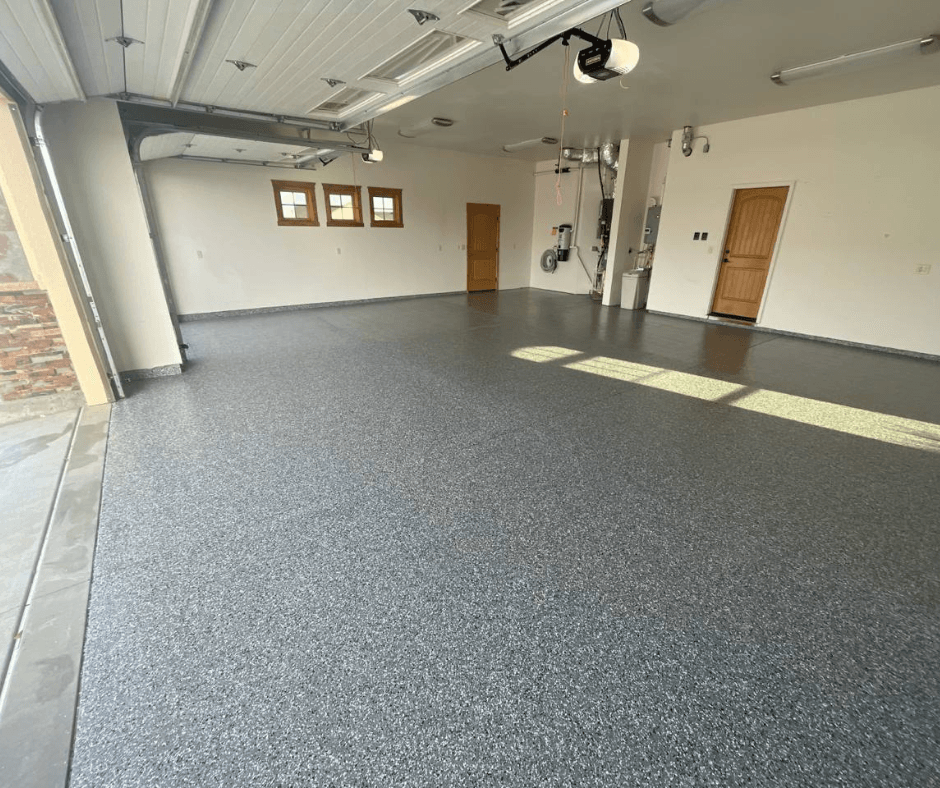
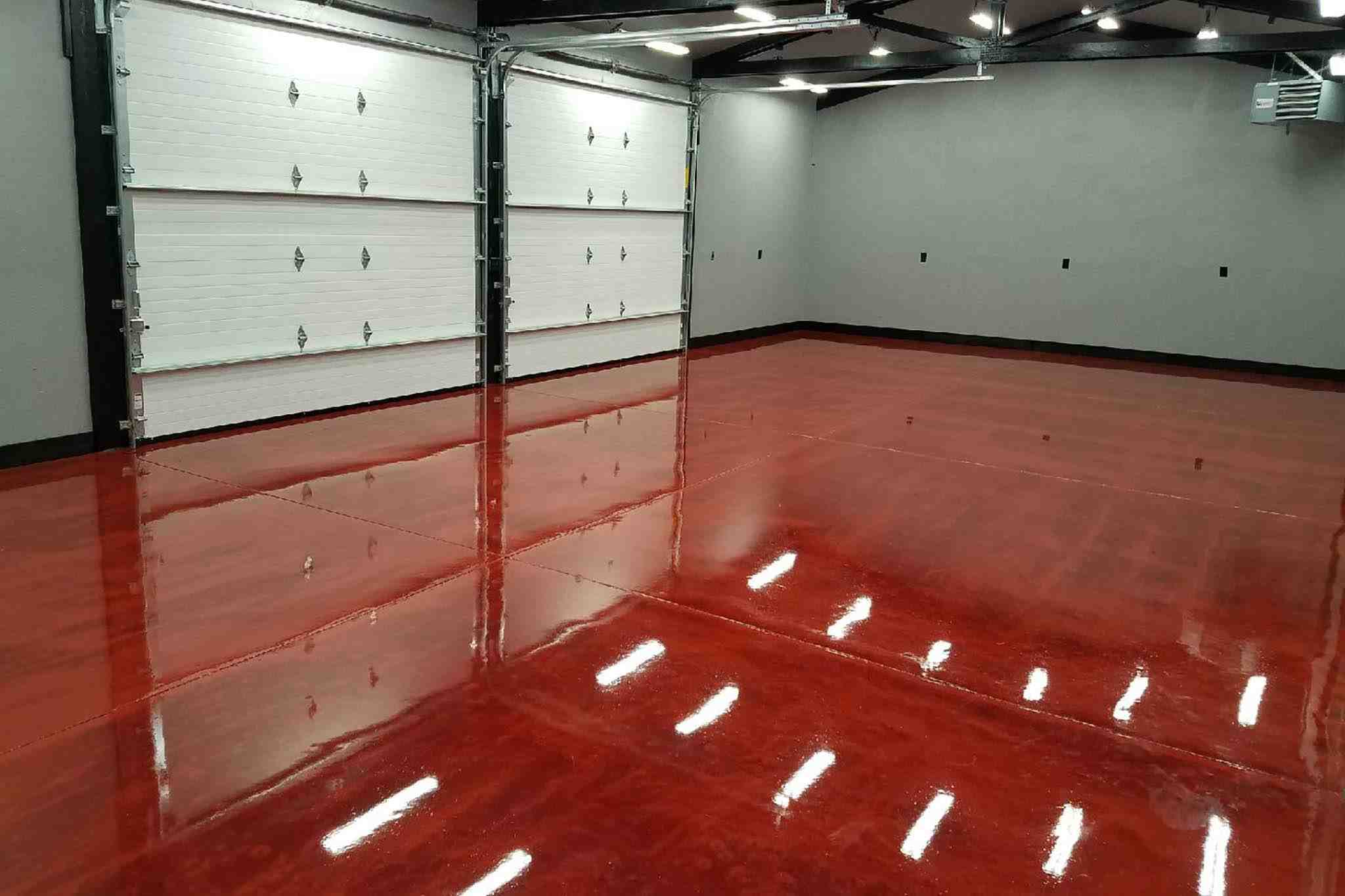
For indoor areas like garages or workshops, epoxy can be a solid option. It offers a clean, glossy look at a lower cost per square foot than polyaspartic or other systems. It holds up extremely well under light to moderate use. However, epoxy takes longer to cure and is prone to yellowing if exposed to sunlight. You can combat this by using polyaspartic as a topcoat, but some yellowing may still occur.
If you're looking for something more durable or want a quicker turnaround, polyaspartic is a smart upgrade. It cures fast (often within a day), handles heavy use, and resists stains, abrasions, and UV light. From garages to driveways to back patios, polyaspartic performs consistently under tough conditions.
Driveways & High-Traffic Areas
Outdoor surfaces take a beating from weather, vehicle weight, and repeated freeze-thaw cycles. Epoxy isn't generally recommended here because it lacks the flexibility and UV stability needed for exterior use.
Instead, we use polyaspartic or polyurea systems designed to flex with the concrete and withstand harsh conditions. These coatings won't fade or crack from sun, snow, or daily driving.
If you've got a driveway, walkway, or patio with damage, cracks, or spalls, NewCrete is the best option for restoring and resurfacing your concrete to stronger-than-new conditions.
Patios & Pool Decks
For patios and pool areas, you need a coating that's water-resistant, UV-stable, and has traction. You can go several different ways here:
- Polyaspartic flake floors - Durable, decorative, and adjustable traction levels
- Solid Color Epoxy - Systems like Westcoat's 11/10 are great for improving the look of solid color concrete and improving aesthetics. Also works well restoring stamped concrete patios.
- Tidalstone - An elevated version of polyaspartic with a matte stone look
All of these are built to handle sun exposure, rain, regular cleaning, and adjustable traction levels.
How to Choose Between Epoxy, Polyurea, and Polyaspartic
The right choice of concrete coatings comes down to how each product performs as a system and how that system fits your surface, climate, and project goals.
Let's dive into how these materials work both individually and together.
Epoxy vs. Polyurea
Epoxy is a tried-and-true material that's been used for decades, especially in indoor spaces. It's slightly more budget-friendly and extremely durable under the right conditions. However, epoxy cures slowly and can't handle UV exposure. Outdoor use of epoxy alone will lead to yellowing and surface degradation over time.
Polyurea cures much faster (hours vs. days) and offers better flexibility and resistance to UV light. However, it's rarely used alone. Most polyurea systems are paired with a polyaspartic topcoat for a stronger, longer-lasting finish.
Polyurea vs. Polyaspartic
Polyaspartic is a subtype of polyurea, but it offers key advantages.
While polyurea is often used as a basecoat for its strong bond to concrete, polyaspartic can be used as both a basecoat and topcoat. It has a longer working time during installation (which gives installers more time to get the finish just right), and it can be applied in a wider range of temperatures. Polyaspartic is the coating with the highest UV-resistance, so it is often the topcoat for concrete coating systems.
Can these Products Be Combined?
In many cases, the best solution is a hybrid system:
- Epoxy basecoat + polyaspartic topcoat for improved UV resistance and indoor/outdoor versatility
- Polyurea basecoat + polyaspartic topcoat for rapid installation and long-lasting outdoor durability
- Full polyaspartic system for simplicity, performance, and speed—especially in residential applications
These combinations allow us to tailor the coating system to your environment, surface condition, and how quickly you want to use your space. In most of these applications (a decorative flake floor), the end result would have a nearly identical appearance.
Will My Concrete Coating Crack? What You Need to Know
One of the biggest concerns homeowners have before coating their concrete is cracking, and for good reason. Concrete cracks all the time, and you're investing in a surface upgrade. The last thing you want is for it to fail.
The good news is that high-quality coatings like polyaspartic and polyurea are designed with flexibility in mind. These materials move with the concrete as it expands and contracts in response to weather and temperature changes. That flexibility significantly reduces the chances of surface cracking.
That said, no coating can completely prevent cracks caused by deeper structural issues, like major soil movement or poor-quality concrete underneath. That's why proper prep is so important.
Want to avoid cracking? Choose the right system for your environment, ensure you work with professional installers, and stick to a regular maintenance routine that inspects the surface for signs of damage or wear.
Should You Add a Moisture Vapor Barrier?
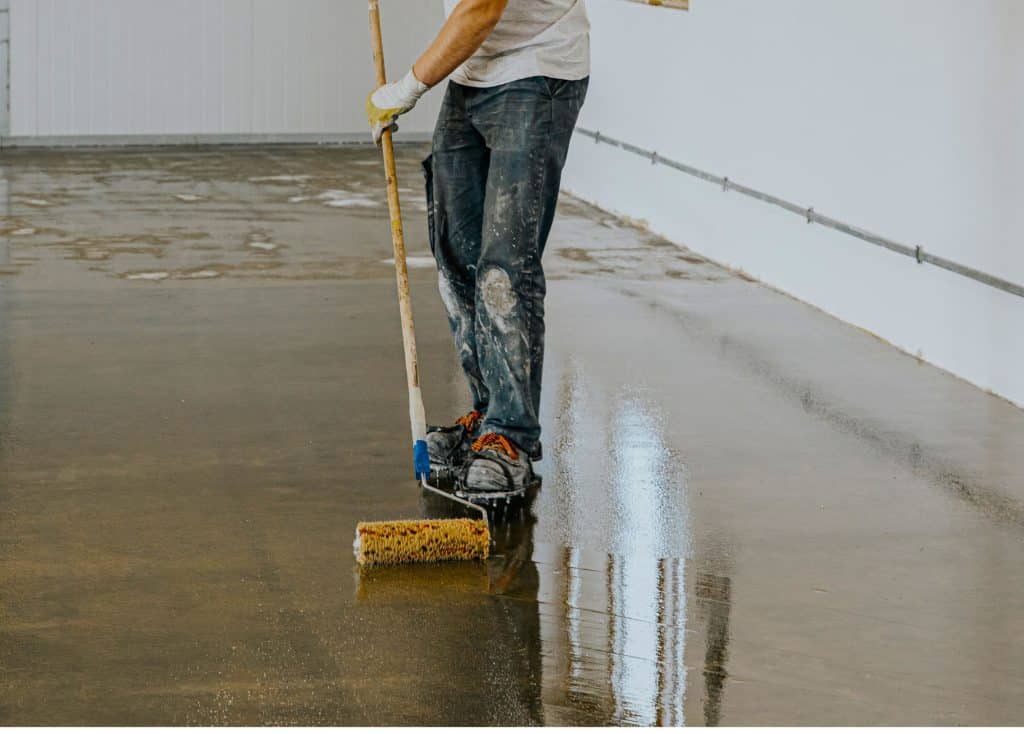
While surface cracking is a common concern, there's another issue that can silently damage your coating from below: moisture vapor rising through the concrete slab. This natural movement of moisture can lead to delamination, bubbling, or coating failure, especially in garages, basements, or areas with poor drainage.
That's why we often recommend installing a moisture vapor barrier as part of your coating system. This optional but valuable layer helps block moisture from migrating up through the concrete and compromising your coating.
Adding a vapor barrier is especially smart if:
- Your slab is below grade or prone to dampness
- You've had issues with bubbling, peeling, or delamination in the past
- You want to maximize the longevity of your investment (Think of this as an insurance policy against moisture!)
It's not required in every situation, but when it is, it can be the difference between a 5-year floor and a 15-year one.
Choosing the Right Concrete Coating for Your Needs
Choosing the right concrete coating doesn't have to be overwhelming. Understanding the different systems and working with professionals will help you make the right call for your budget, space, and time.
If you're dealing with cracked or aging concrete, or if you simply want a more polished, protected surface, concrete coatings can deliver the results that you are looking for.
Ready to take the next step? Check out our Instant Concrete Coatings Pricing Calculator to get a ballpark estimate for coating for your space.
At Roe Painting, we've helped thousands of home and business owners transform their concrete with the right coating system, not just what's popular, but what works best for their space.
.jpg?width=750&height=1000&name=image001%20(1).jpg)