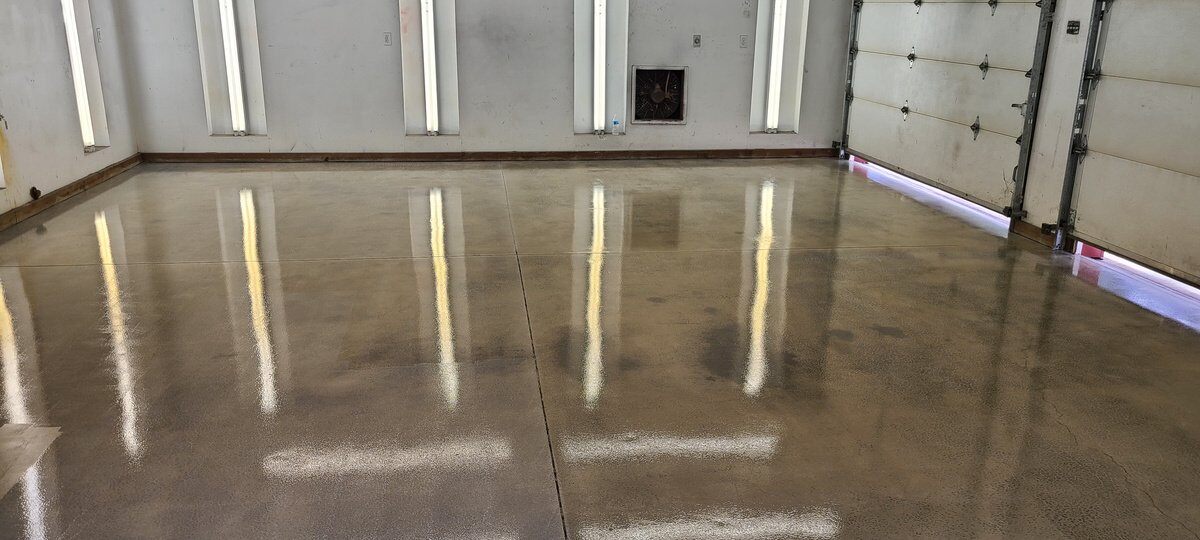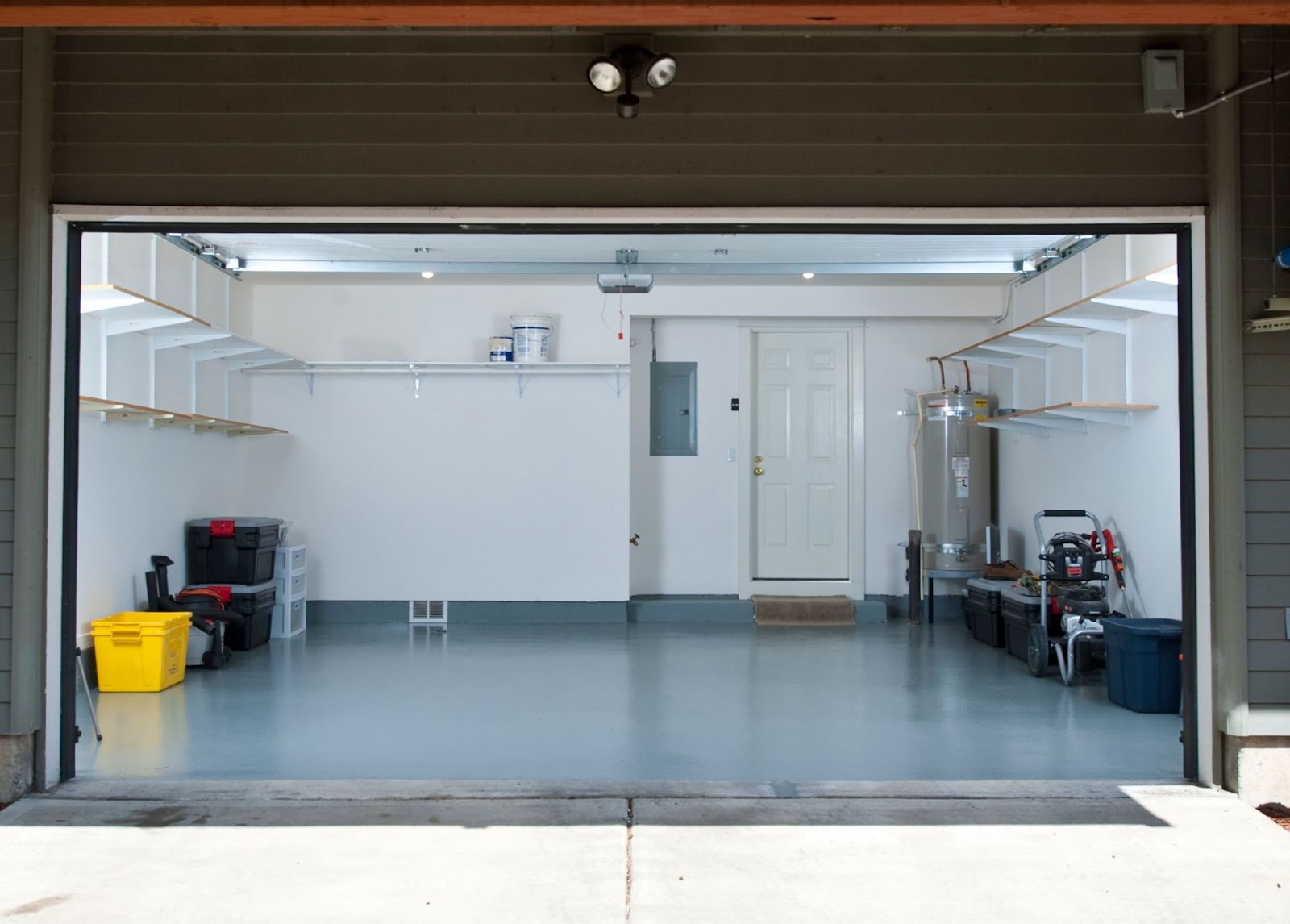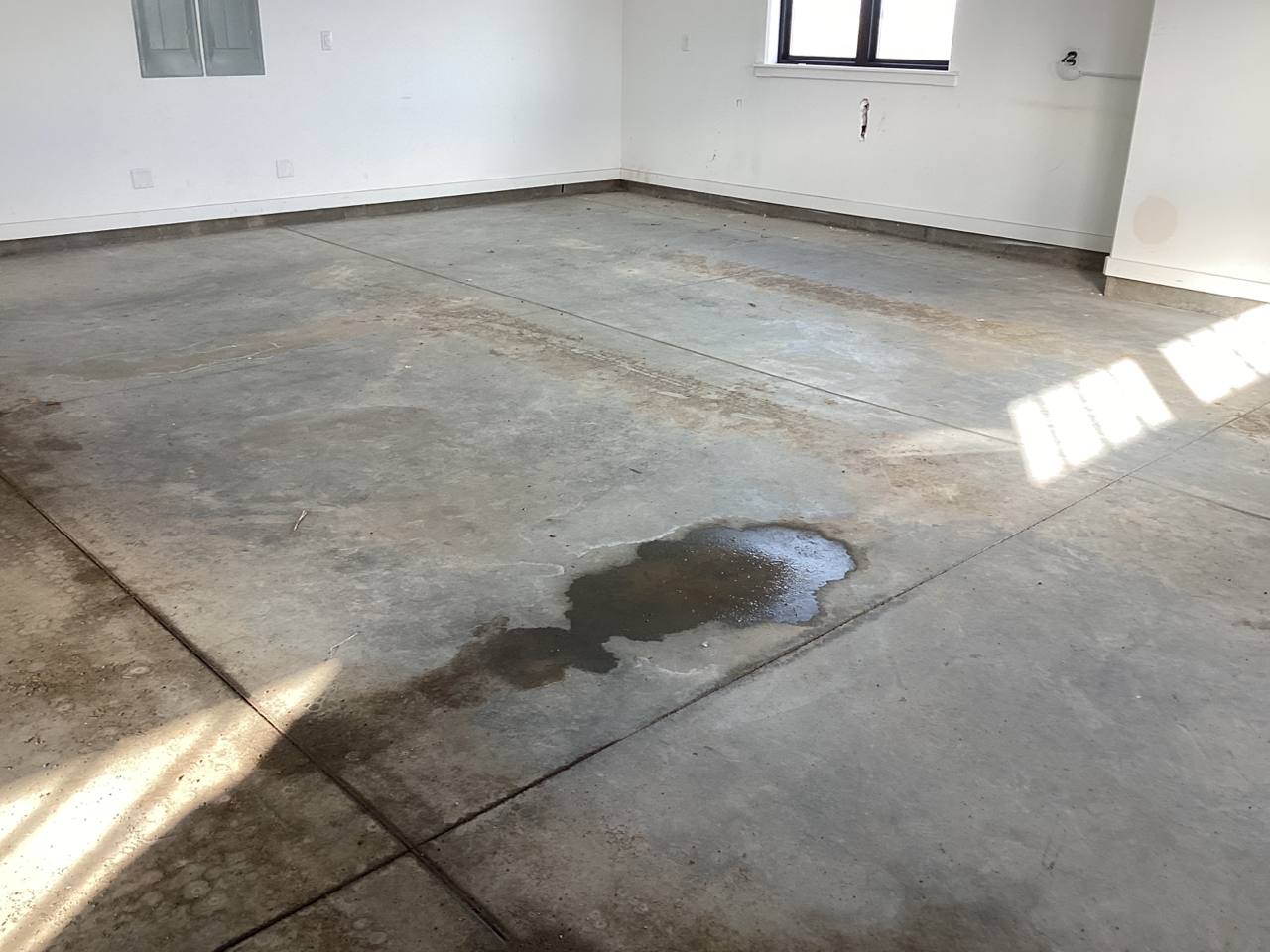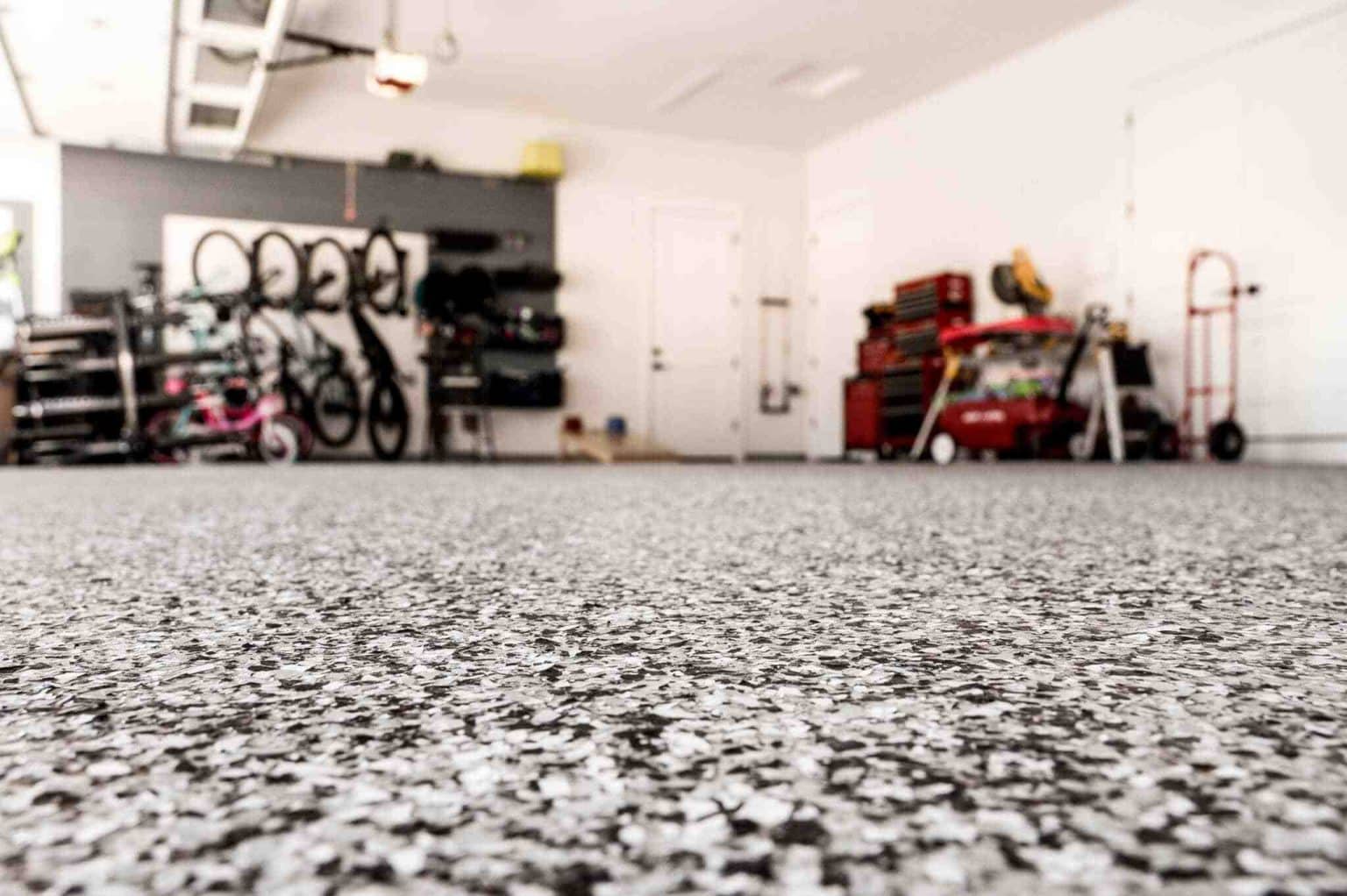

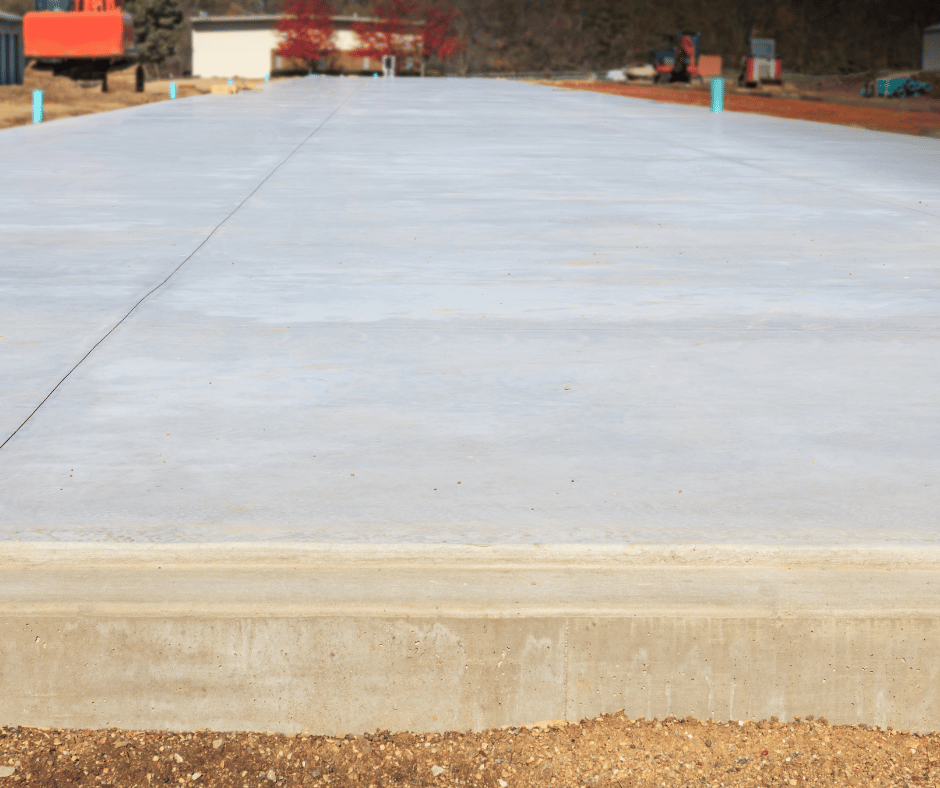
Concrete slabs are full of joints. Those straight lines cut into the surface that homeowners often want "smoothed out" before a coating goes on. But those joints have an important purpose, so should they be filled?
Joint filling is one of the most misunderstood steps in the coating process, and the wrong approach can lead to cracking, delamination, or callbacks down the road. At Roe Painting, we've helped hundreds of customers navigate all the questions around concrete coating and when they should or shouldn't fill joints.
In this guide, we'll break down which joints can be filled, which ones need to stay flexible, what actually happens when you fill them, and how to make the right call for your project, whether you're building a custom home or trying to achieve a seamless look somewhere else.
We'll cover:
- Why Concrete Has Joints In the First Place
- What Happens When You Fill a Concrete Joint Before a Coating
- When Does It Make Sense to Fill Concrete Joints
- Which Concrete Joints Should Not Be Filled
- How the Pros Fill Concrete Joints
- How to Choose the Right Joint Treatment for Your Project
Article Summary:
Static joints (like saw cuts) can be safely filled once concrete cures, allowing for a seamless, easy-to-clean coated floor. Movement joints (such as garage-to-driveway transitions or structural expansion joints) should not be rigidly filled because they need to flex as slabs expand and contract.
Filling the right joints improves appearance and durability; filling the wrong ones leads to cracking or coating failure.
Why Concrete Has Joints in the First Place
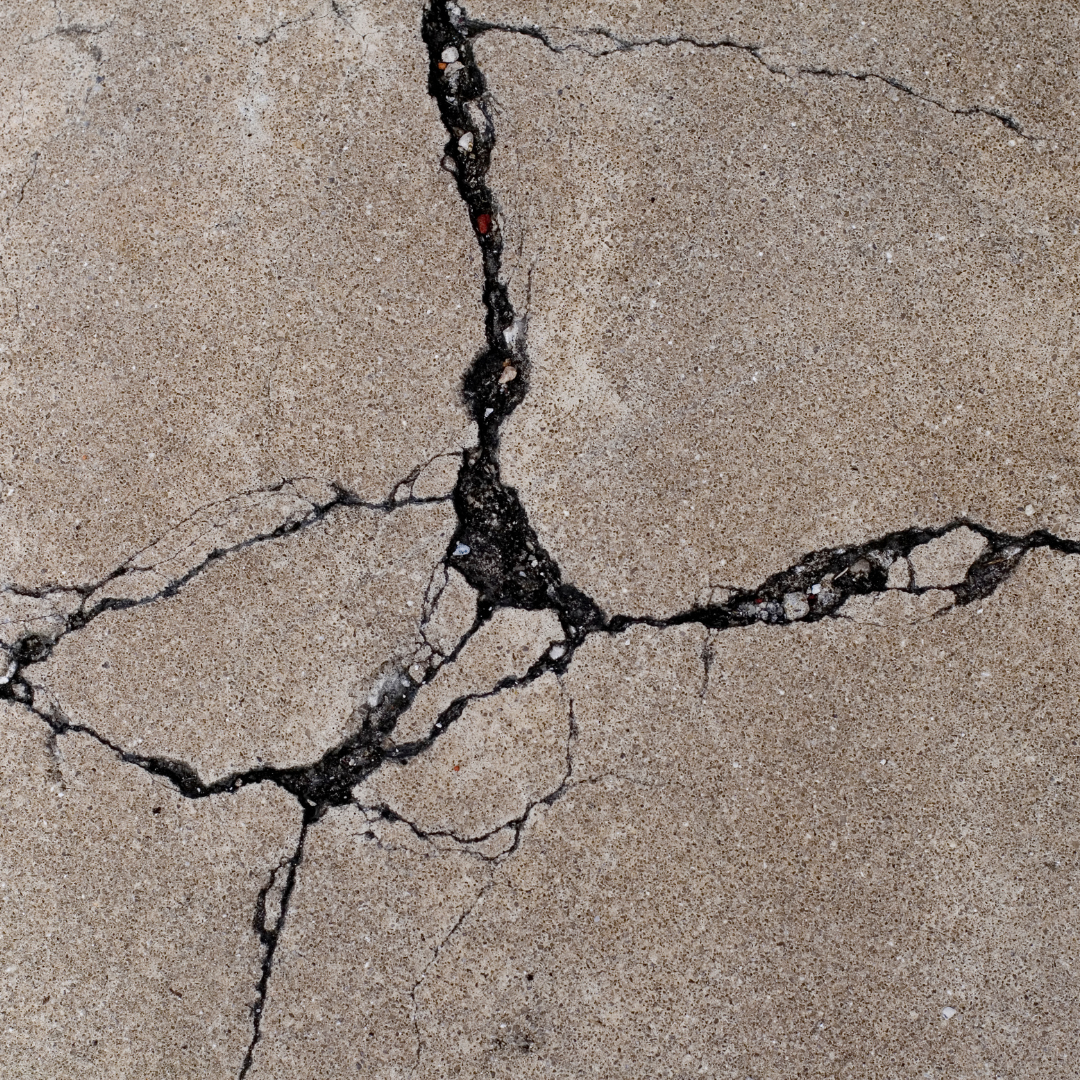
Before deciding whether a joint should be filled, it helps to understand why it's there in the first place. Concrete naturally shrinks, expands, and moves as it cures and as temperatures change. Joints are intentionally created to control where that movement happens.
There are two main types you'll see in garages, basements, warehouse slabs, and residential pads:
Saw Cuts (Control Joints)
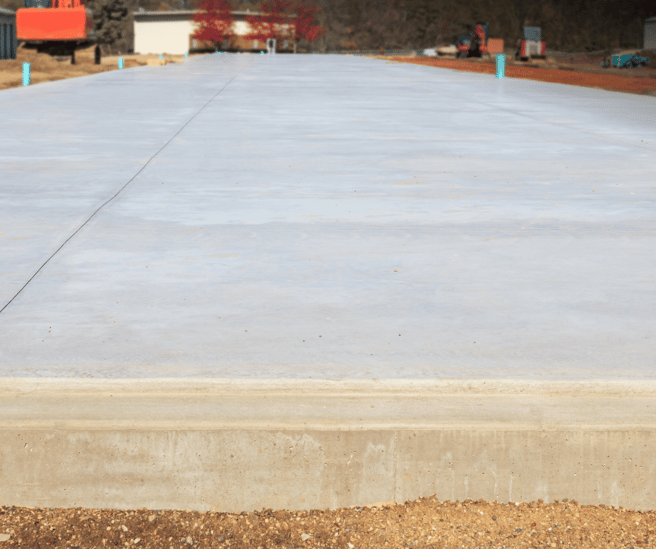
These are the straight lines you typically see cut into a slab within the first 6-12 hours after placement. Their job is simple: give the concrete a designated place to crack.
As the slab cures (usually around 28 days), these cuts become static joints. That means they're no longer expected to move, and in many cases, they can be safely filled depending on the product and coating system you're installing.
Expansion or Movement Joints
These joints separate two independent slabs, such as:
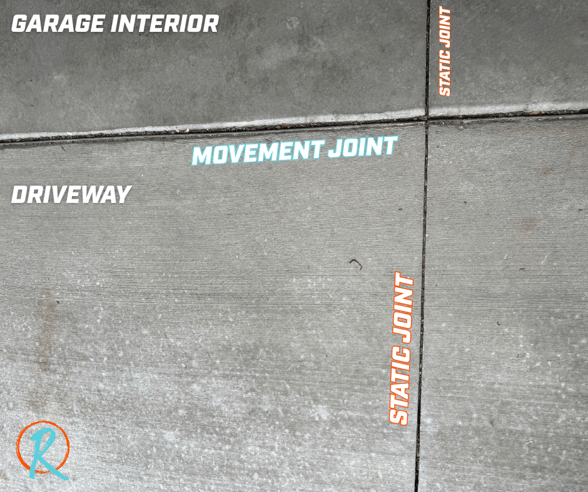
- The garage slab and the driveway
- The garage slab and the interior stem wall
- Two pours that meet at a cold joint
These joints are designed to move, expand, and contract as temperatures shift and as the ground settles. That movement protects the slab from cracking in unpredictable places, but it also means these joints should not be rigidly filled.
What Happens When You Fill a Concrete Joint Before a Coating
Filling a concrete joint changes how the slab behaves. Sometimes that's good, and sometimes that's risky.
The results depend on whether the joint is static (like a saw cut) or dynamic (like slab-to-slab transitions).
When You Fill a Static Joint (Saw Cuts)
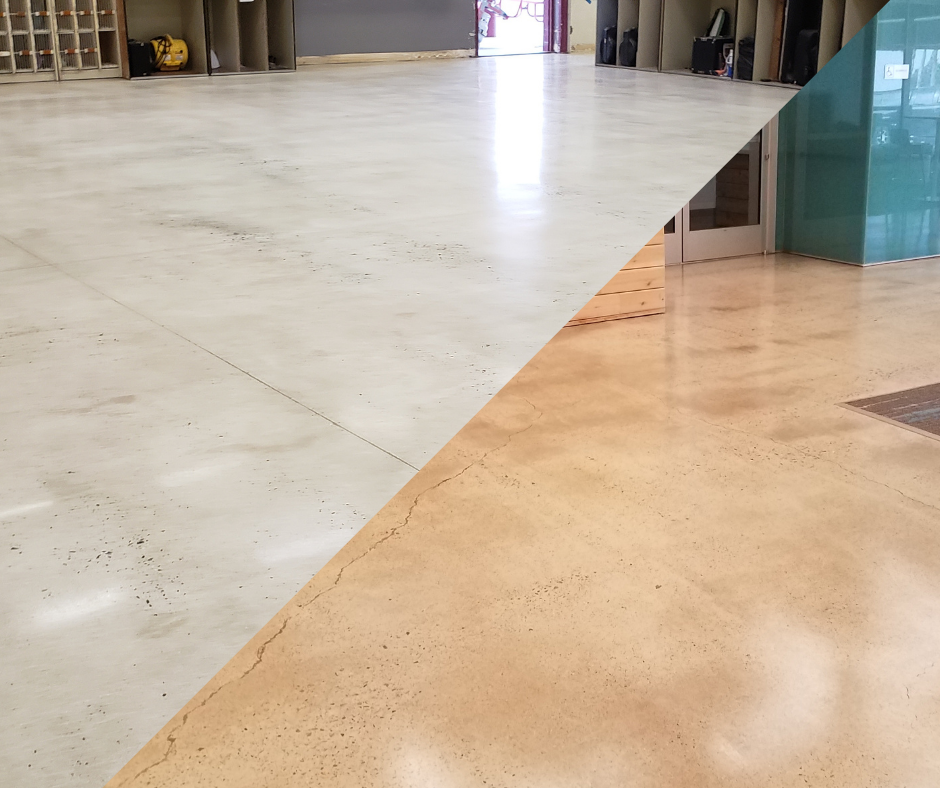
Saw cuts are no longer moving after the slab cures, which means they can be safely filled to create a flush, seamless surface. When filled correctly:
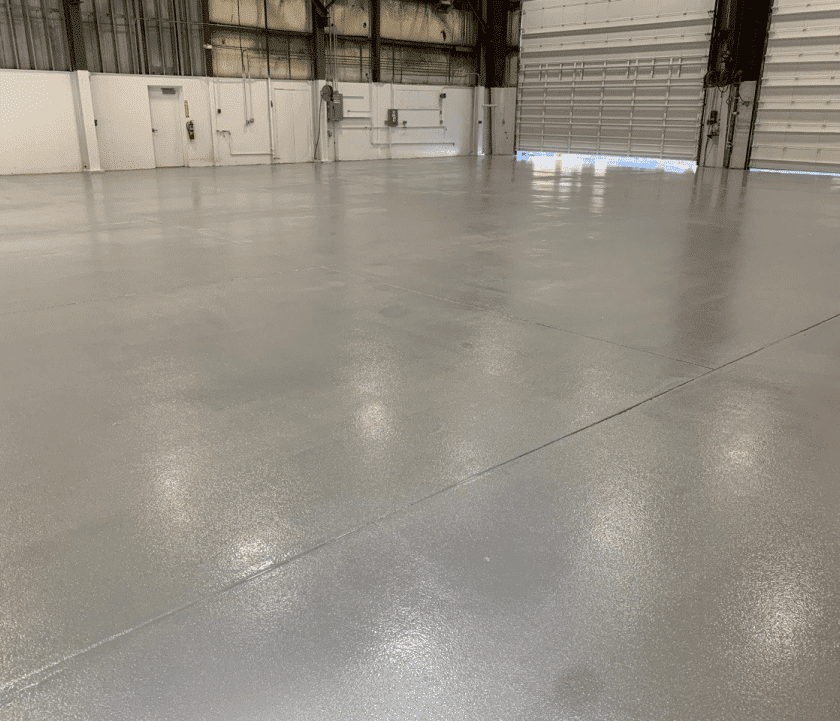
- The coating becomes smooth and continuous across the floor.
- Dust, dirt, and debris no longer collect inside the joint.
- Joint edges are less likely to chip or break under normal traffic.
Depending on your coating system, different fillers are used. Cementitious materials work best for grind-and-seal finishes and epoxy-based fillers for solid-color or flake systems. These materials bond well, grind smoothly, and hold up long-term because the joint isn't expected to move.
Filling saw cuts is mostly a design and cleanliness choice, and it works well when the right materials are used.
When You Fill a Moving Joint (Slab Transitions)
Movement joints are a completely different story. These are the joints between two slabs—like where the garage meets the driveway. They expand, contract, and shift with temperature, soil movement, and seasonal changes.
If you fill one of these joints with a rigid product:
- The slab keeps moving, but the filler won't.
- Stress builds against the coating.
- Cracks, lifting, or delamination often show up right on top of the joint.
Even flexible caulks in these areas require ongoing inspection and maintenance because movement eventually causes the joint filler to start pulling away from the concrete on either side.
If a joint is designed to move, filling it with a rigid product causes more problems than it solves.
When Does It Make Sense to Fill Concrete Joints?
Even though not every joint should be filled, there are several situations where filling the right joints can make a coating look better, perform better, or meet specific industry requirements.
1. When You Want a Seamless, High-End Look
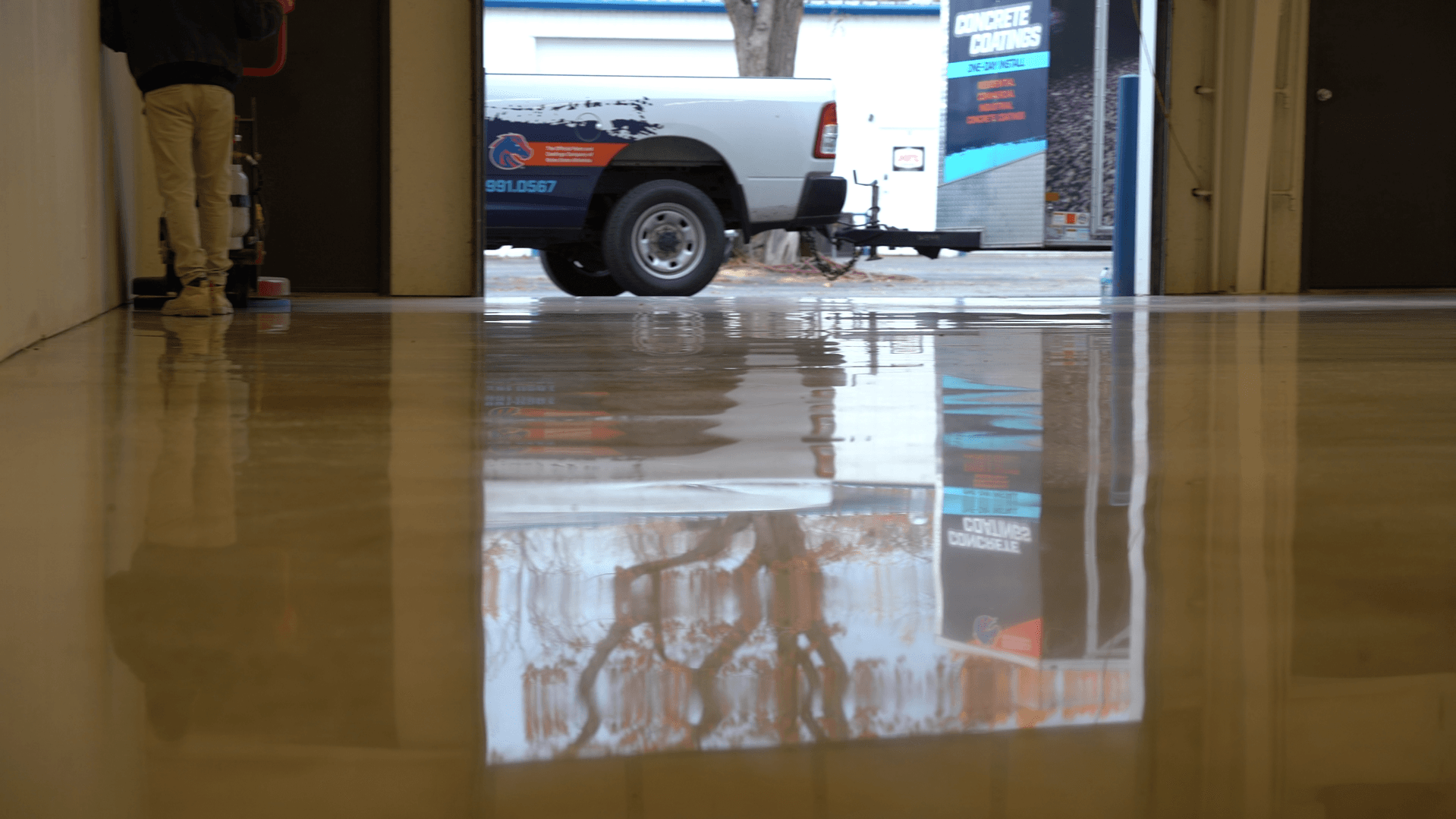
Many homeowners and builders want a coated floor with no visible lines. Filling static saw cuts creates that clean, continuous appearance. You'll have:
- No recessed joints
- No visible breaks in the coating
- A true showroom aesthetic
This is especially common in garages, basements, workshops, and patios of custom homes, where the visual finish matters just as much as the durability.
2. When You Want to Keep Dirt, Dust, and Debris Out
Open joints can catch anything from pebbles, dust, pet hair, mud, and more. In high-traffic spaces, these concrete joints often become the hardest areas to clean. Filling static joints solves this by removing those dirt-collecting voids and creating an easier-to-maintain floor.
3. When You Need a Zero-Transition Surface for Durability
In some settings, leaving joints open can actually lead to damage. Heavy carts, pallet jacks, and even everyday vehicles can chip the edges of exposed concrete joints over time.
Filling static joints helps:
- Reduce impact damage
- Prevent chipping or spalling
- Create a smoother path for rolling equipment
This is especially helpful in commercial and industrial environments, but it's also useful in garages or shops that may have rolling toolboxes or heavy equipment.
4. When Hygiene and Safety Standards Require It
Some environments require joints to be fully sealed for health or sanitation reasons by organizations like the Food and Drug Administration (FDA). This includes food prep and processing areas, beverage manufacturers, medical facilities, labs, and clean rooms, just to name a few.
In these settings, joints can harbor bacteria, chemicals, and moisture. Filling and sealing the appropriate joints ensures the space can be cleaned properly and pass required inspections.
5. When You're Trying to Prevent Long-Term Moisture Intrusion
Open joints can allow moisture, oils, or chemicals to seep into or under the slab. Filling static joints helps protect:
- Coating adhesion
- Concrete integrity
- Long-term performance of the floor system
Which Concrete Joints Should Not Be Filled
Not every joint is a candidate for filling. Movement joints must remain flexible to protect both the slab and the coating. Filling these joints rigidly almost always leads to cracking or delamination.
Slab-to-Slab Transitions
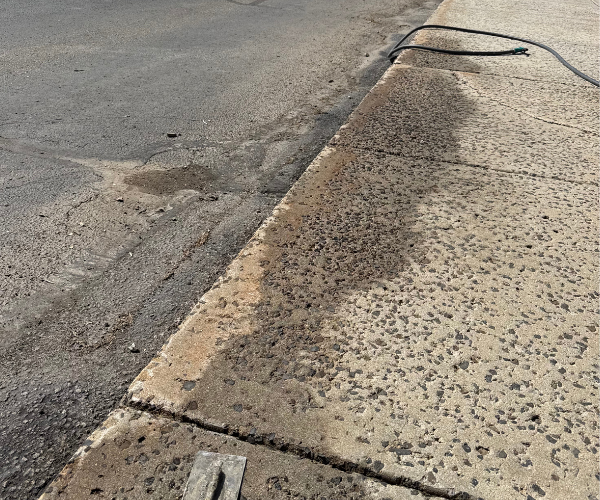
The joint between the garage and the driveway is the most common example. Because these slabs move independently with temperature and load changes, a rigid filler will crack or push the coating loose. These joints should stay open or be sealed with a flexible caulk only.
Structural Expansion Joints
Used in larger slabs and commercial spaces, these joints are engineered to move significantly. Filling them with a rigid product eliminates their ability to function and quickly leads to coating failure.
Cold Joints That Still Shift
Some cold joints stabilize over time, but many experience small movements due to soil conditions, moisture, or seasonal temperature swings. If movement is expected, they require flexible treatment, not a rigid fill.
Exterior to Interior Transitions
Any joint that bridges interior and exterior concrete sees greater temperature fluctuations and must remain flexible to prevent reflective cracking in the coating.
Pro Tip: A good rule of thumb is that if a joint is designed to move, it should stay open or be treated with a flexible sealant.
These types of joints are ongoing maintenance projects, not permanent repairs. They will need periodic inspection and replacement over time if filled.
How the Pros Fill Concrete Joints
Once you know a joint is safe to fill, the next step is choosing the right material and applying it correctly. The goal is simple: create a smooth, durable surface that won't telegraph cracks or fail under a coating. When we fill joints, here's the process we follow:
Choosing the Right Materials
Different flooring systems require different fillers:
- For grind-and-seal or grind-stain-seal:
A cementitious filler blends naturally into the concrete, accepts stain, and polishes evenly. - For solid-color coatings or flake systems:
A two-part epoxy thickened with filler powder creates a strong, stable joint that can be ground smooth before the coating goes on.
Each option is chosen based on the final look and long-term performance needed.
Prepare the Joint Properly
A professional joint fill starts with proper prep:
- Clean out dust, debris, and loose material
- Remove any older filler
- Ensure the edges of the joint are sound
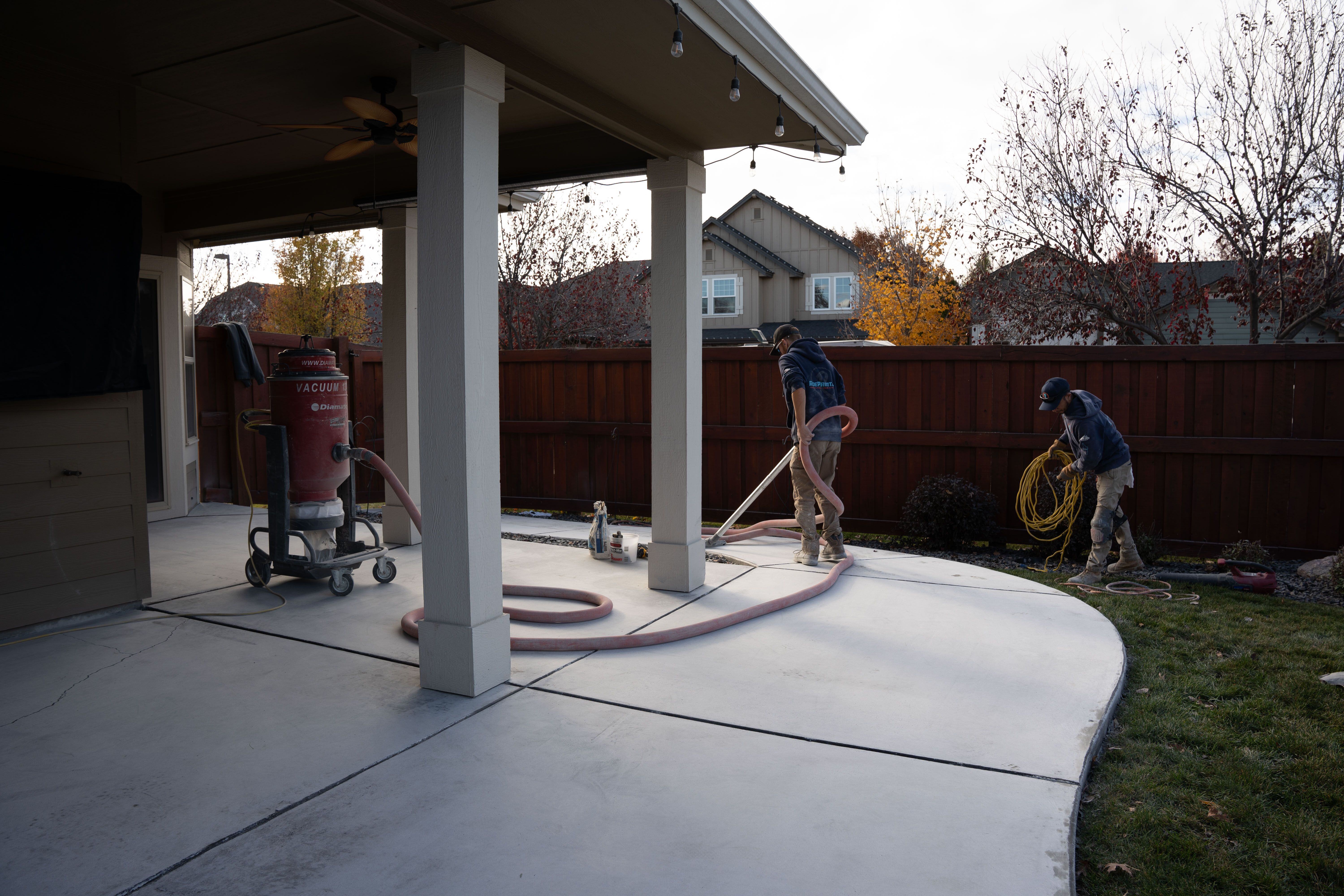
- Vacuum thoroughly for adhesion
This step is critical. Good adhesion and long-term durability depend on clean, prepared surfaces.
Fill, Overfill, and Grind Flush
Once the joint is prepped:
1. Fill the joint slightly above the surface. This compensates for settling as the filler cures.
2. Allow proper cure time. Rushing this step can cause shrinkage or low spots.
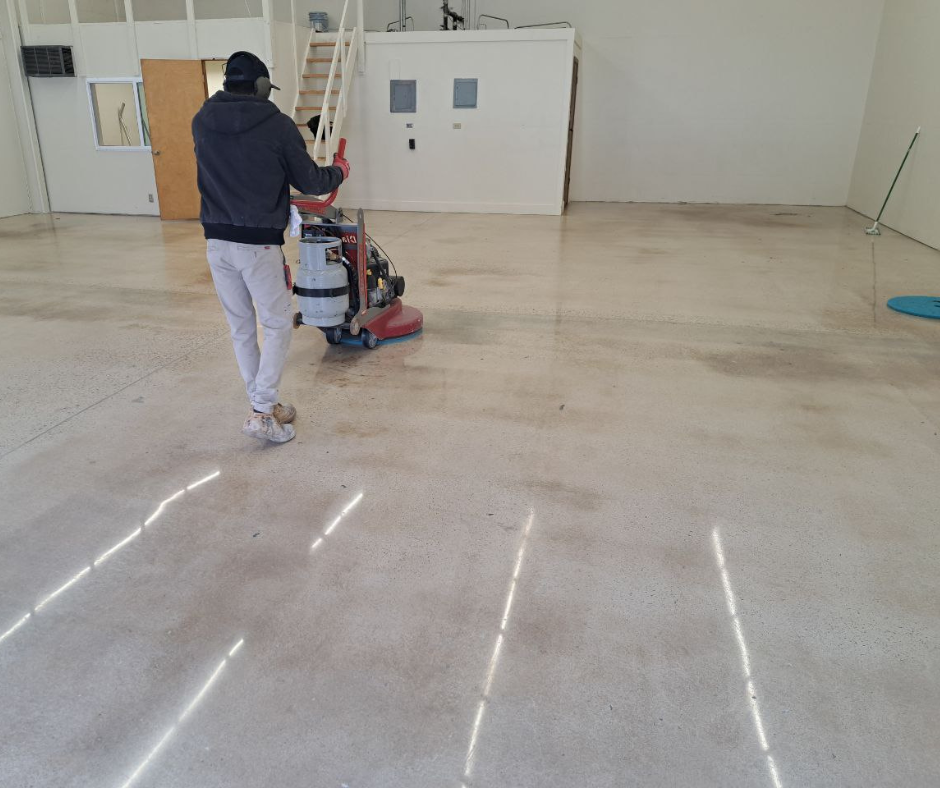
3. Grind the joint flush with the slab. This is what creates the seamless transition you see in high-end finished floors.
When done correctly, the filled joint disappears into the coating system.
Handle Movement Joints Differently
If a joint needs to remain flexible (like a garage-to-driveway transition), the approach changes. Instead of a rigid filler, a flexible sealant is used. It's left slightly recessed and remains a maintenance item that should be inspected over time. It will keep debris and water out as long as it's in good condition.
How to Choose the Right Joint Treatment for Your Project
Once you understand the difference between static and moving joints, the next step is deciding what actually makes sense for your space. This quick comparison can help you evaluate your options based on joint type, goals for the coating.
| Fill the Joint If... | Keep It Flexible If... | Reasons to NOT Fill a Joint |
| It's a saw cut/control joint | It connects two different slabs | Added cost or budget limits |
| You want a seamless look | It expands/contracts seasonally | Faster project timeline |
| You want easier cleaning | It's an exterior-to-interior transition | Preference for visible joints |
| The area sees rolling loads | It's a structural expansion joint | More natural/industrial look desired |
| Hygiene or sanitation is required | Cold joint still shows movement | Older slab where the fill won't blend perfectly |
| You want to prevent chipping at the edges | You want to avoid reflective cracking | No functional need to fill |
In general:
- Static joints can be filled safely and often improve aesthetics and durability. However, filling the joints will add cost and time to your project.
- Movement joints must remain flexible to allow the slab to function properly. Fill them with the right materials or leave them.
The Right Choice Helps Your Concrete Coating Last
Concrete joints exist for a reason. Some can be filled safely, and others must stay flexible to protect the slab and the coating.
Static saw cuts can be filled for a seamless, easy-to-clean surface. Movement joints should remain flexible to prevent cracking or delamination.
With the right approach and materials, you can achieve a floor that looks great and performs as it should, without surprises down the road.
If you’re unsure which joints to fill or how to prepare your slab, our team can evaluate your space and recommend the right solution for your project. Just request a complimentary estimate.
sdfs
Topics: