
Polished concrete is widely considered a sleek, durable flooring option, but how do you know if it's right for your space? With so many flooring options out there, it's easy to feel unsure about where polished concrete really works best.
At Roe Painting, we've helped thousands of homeowners, business owners, and facility managers across Idaho and Nevada choose the right floor finish for their needs. We know exactly where polished concrete delivers and where it may fall short.
In this article, you'll learn where polished concrete performs best, where it doesn't, and how to know if it's the right fit for your project.
We'll cover:
- What is Concrete Polishing and How Does it Work?
- Where Does Polished Concrete Work Best?
- Where Concrete Polishing Might Not Be the Best Fit
- What to Consider Before Choosing Concrete Polishing
Article Summary:
Concrete polishing is a mechanical finishing technique used to transform untreated concrete into a smooth, glossy surface. Unlike topical concrete coatings, this process enhances the existing concrete with results that will retain their look and durability for the life of the concrete.
What is Concrete Polishing and How Does It Work?
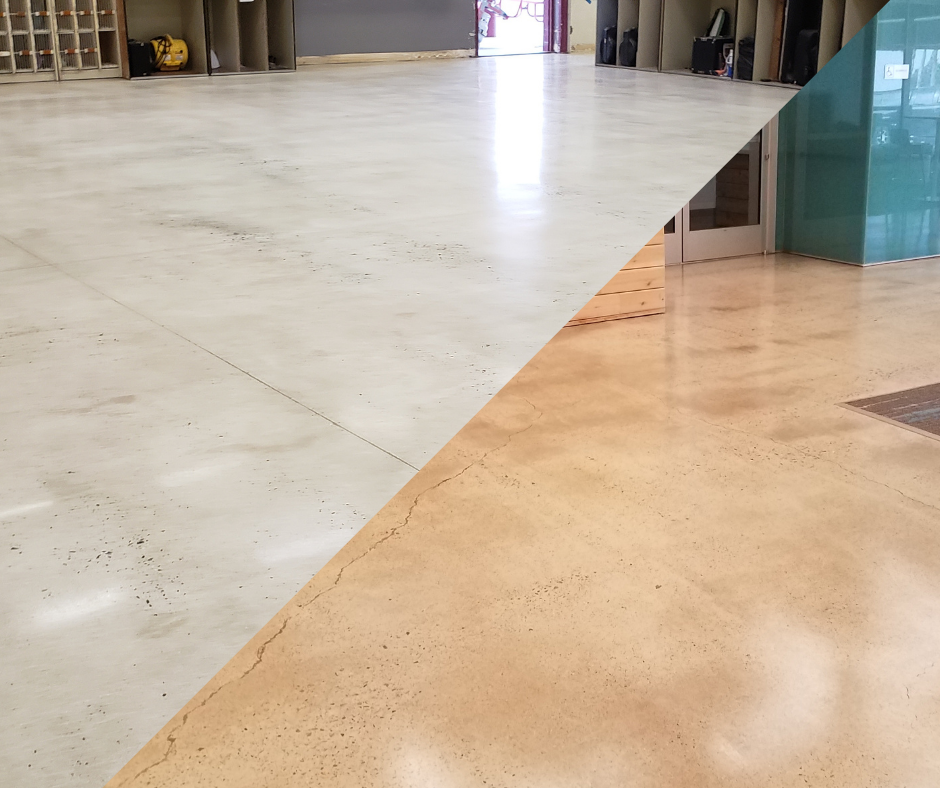
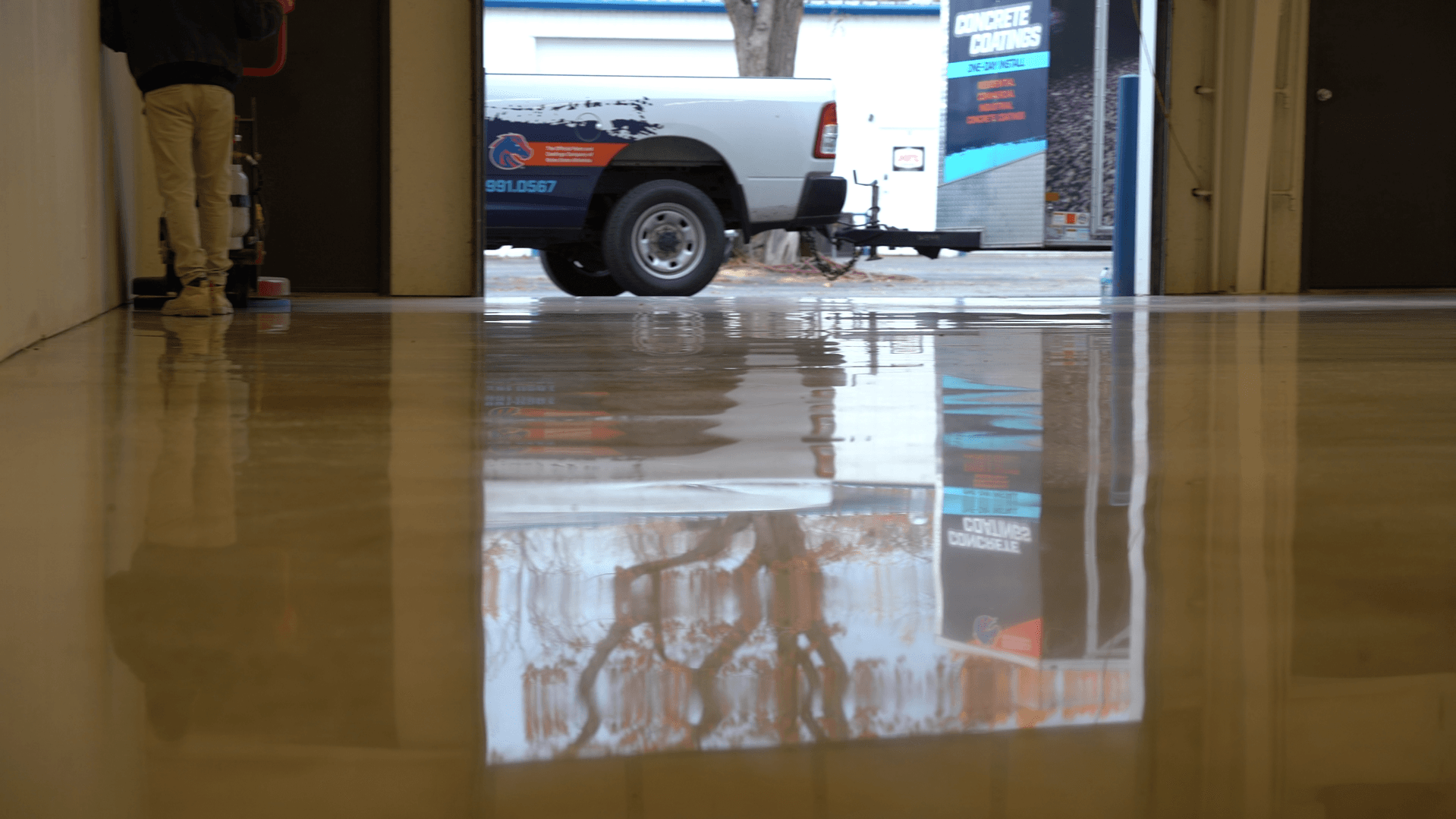
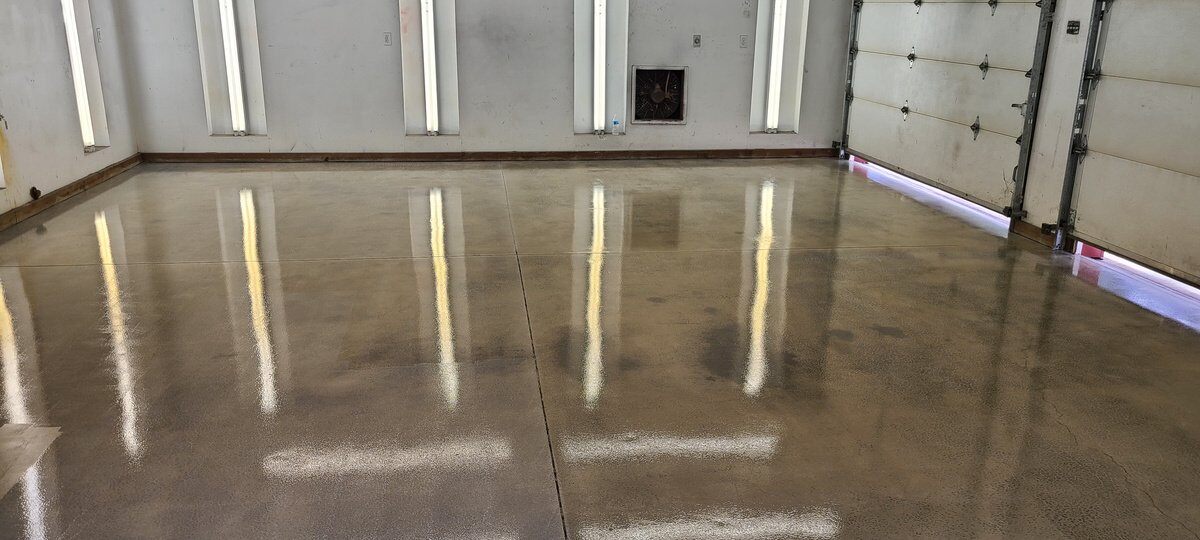
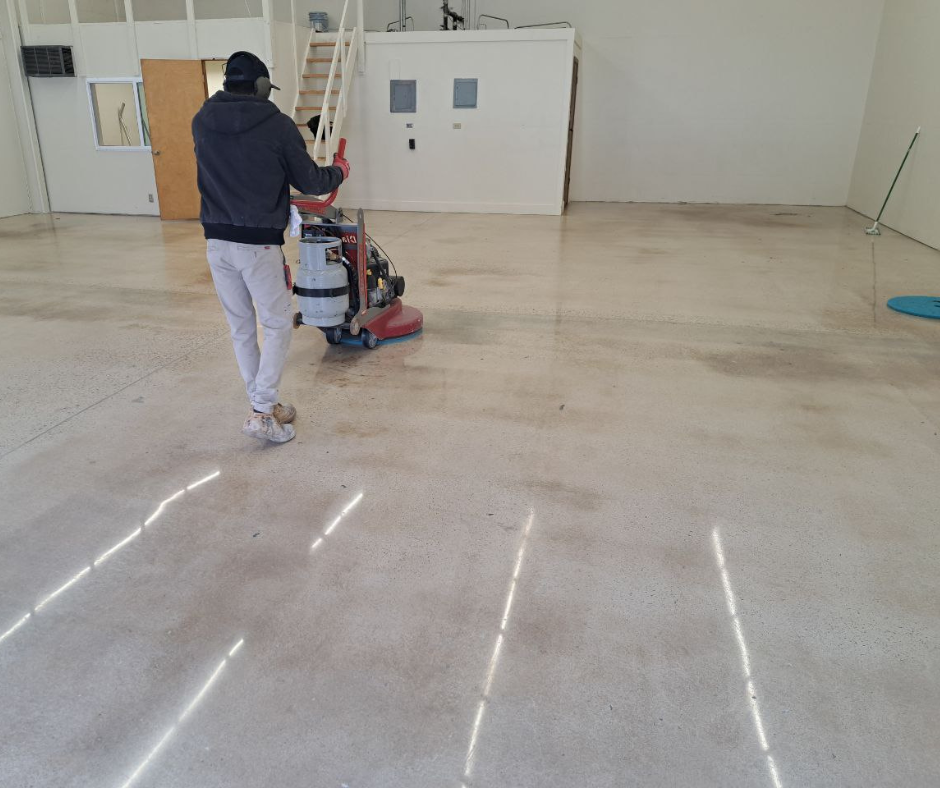
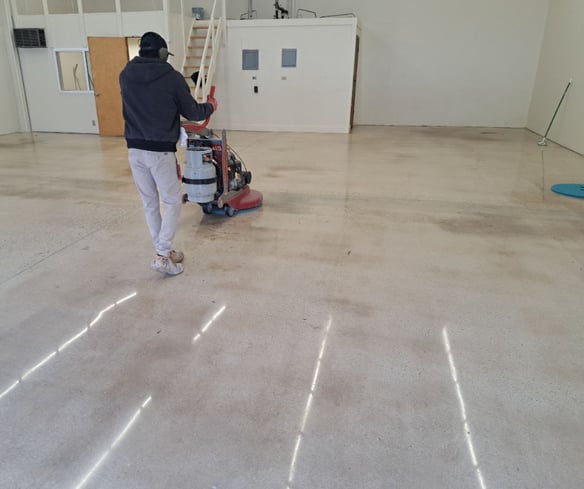
Concrete polishing is a mechanical process that uses progressively finer grinding tools to smooth and refine a concrete surface into a hard, glossy finish. Unlike concrete coatings, polished concrete enhances the slab itself without adding layers on top. The process involves grinding, honing, and polishing the surface using specialized equipment and often includes the application of a densifier to strengthen the floor.
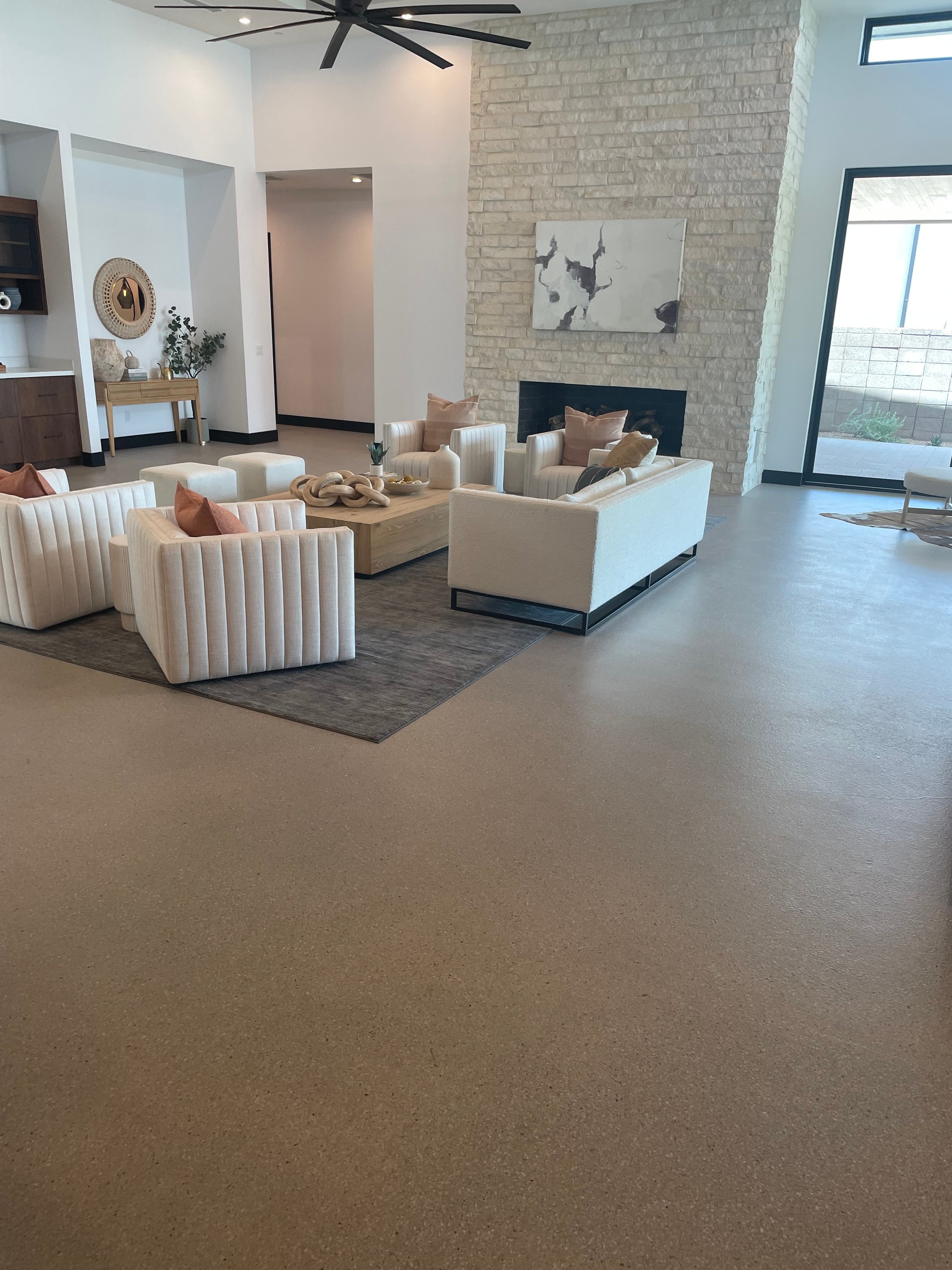
Polished concrete is a popular choice because it's highly durable, low-maintenance, and visually appealing. It resists stains, handles heavy traffic, and eliminates the need for waxes or coatings, making it ideal for both commercial and residential spaces.
It's good to know that concrete polishing is different from a grind, stain, and seal technique, which applies color to the concrete before sealing it.
Where Does Polished Concrete Work Best?
Concrete polishing works best in environments where durability, low maintenance, and a clean, modern look are the goal. While it's not ideal for every setting, it's a high performer in a wide range of commercial, industrial, and even residential spaces.
Concrete Polishing for Retail Stores
Retail spaces benefit from polished concrete because it's sleek, easy to clean, and durable under heavy foot traffic. The reflective surface can also improve lighting and create a modern, high-end aesthetic that fits many store designs.
Using Polished Concrete in Warehouses & Industrial Facilities
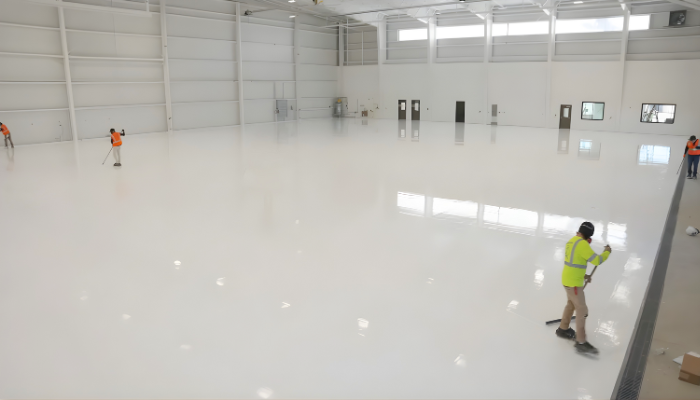
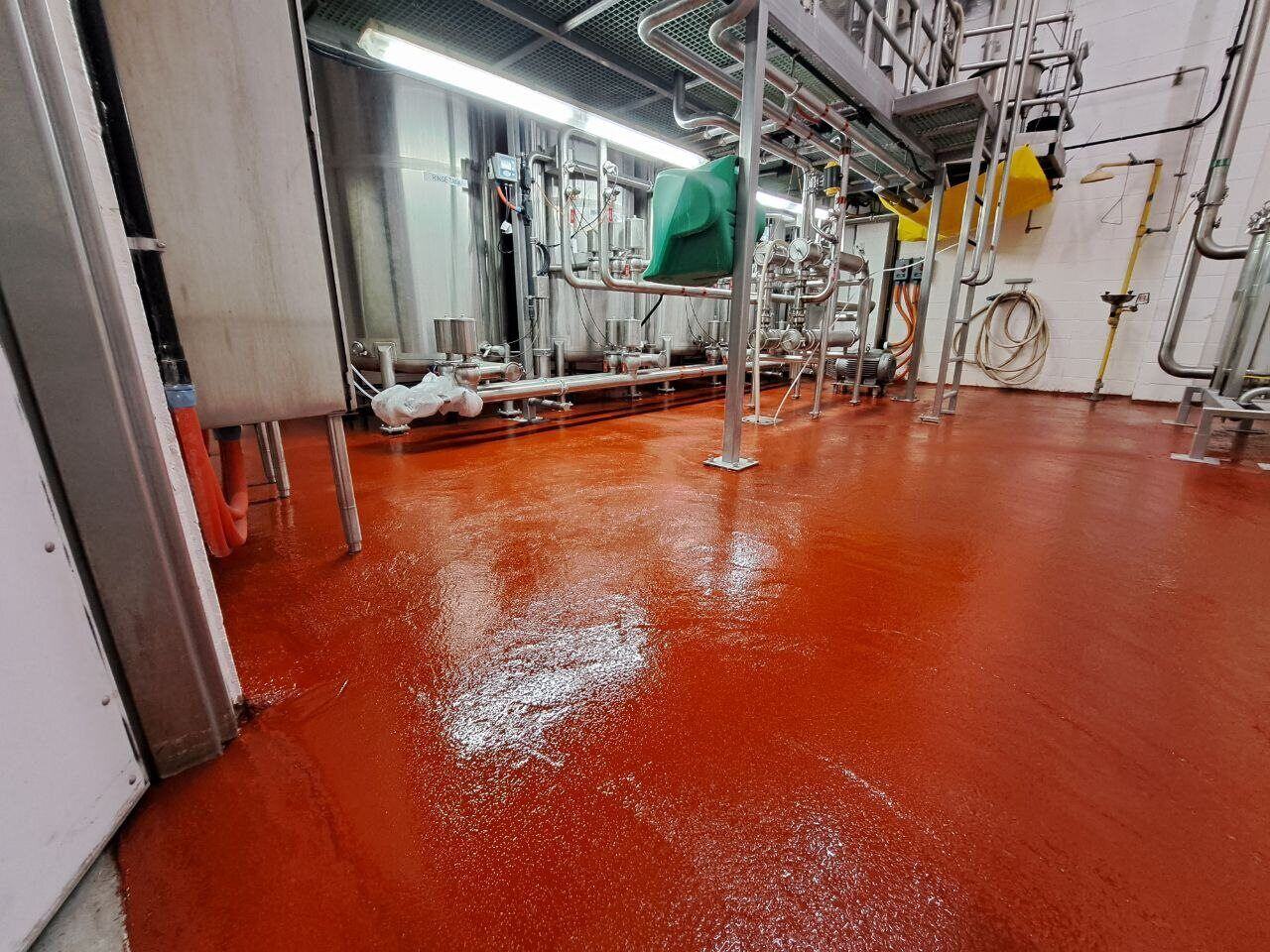
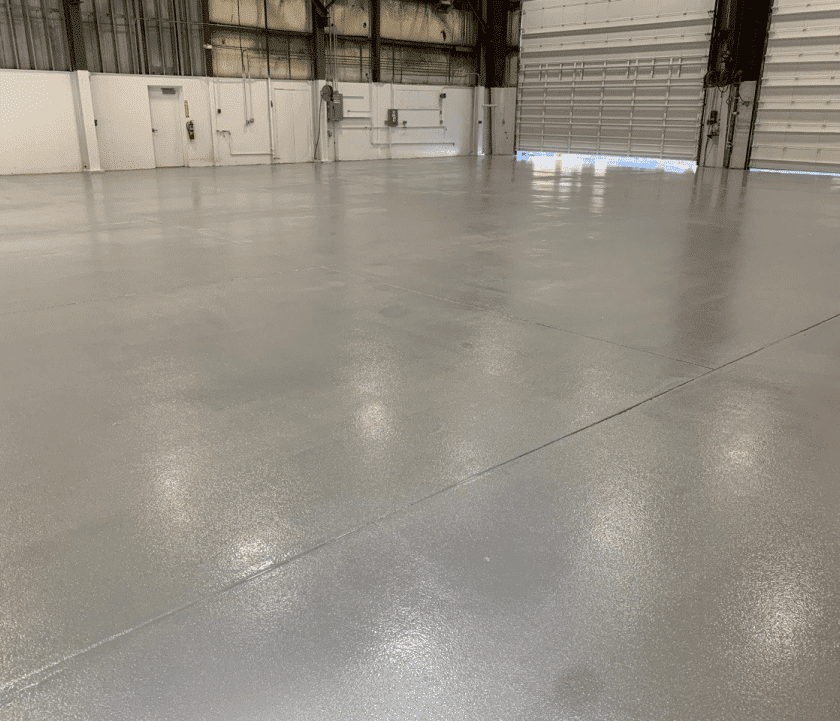
Polished concrete is ideal for many industrial settings because it handles heavy equipment, resists oil and chemical spills, and reduces dust. It also holds up well under forklifts, pallet jacks, and constant movement, all while requiring minimal maintenance.
Concrete Polishing for Garage Floors
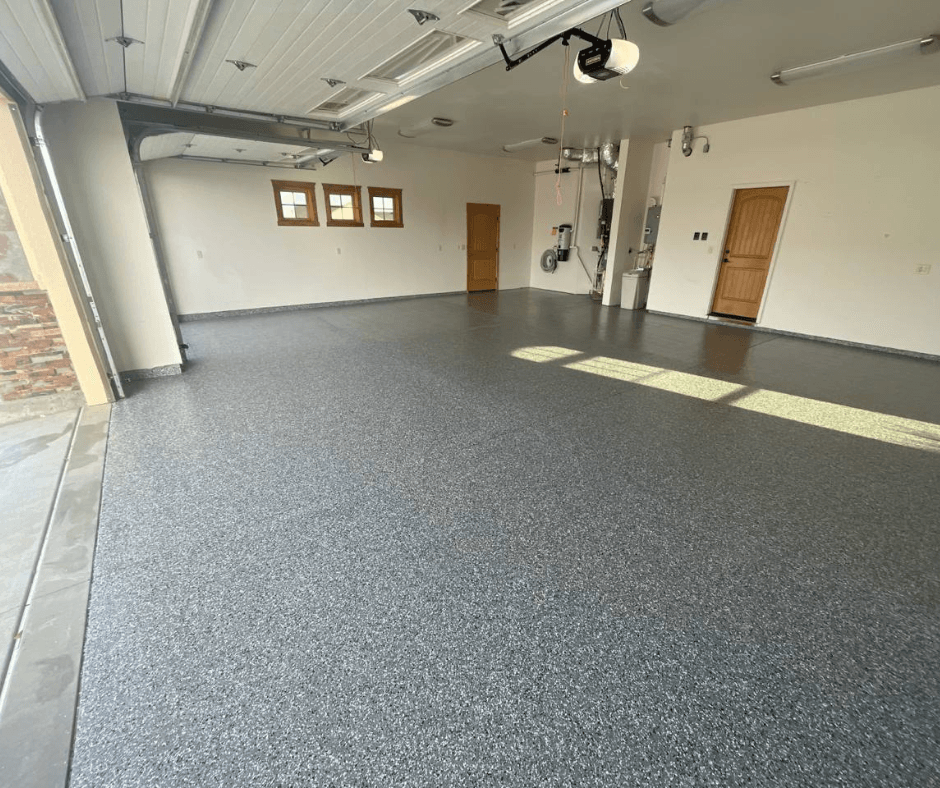
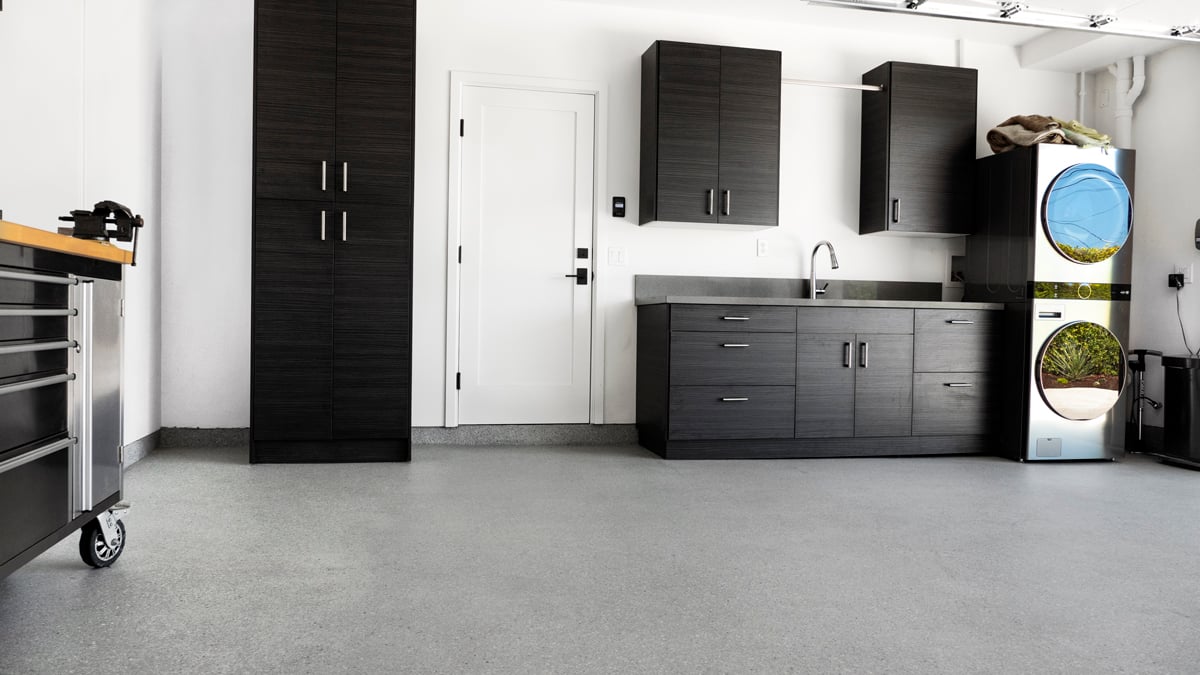
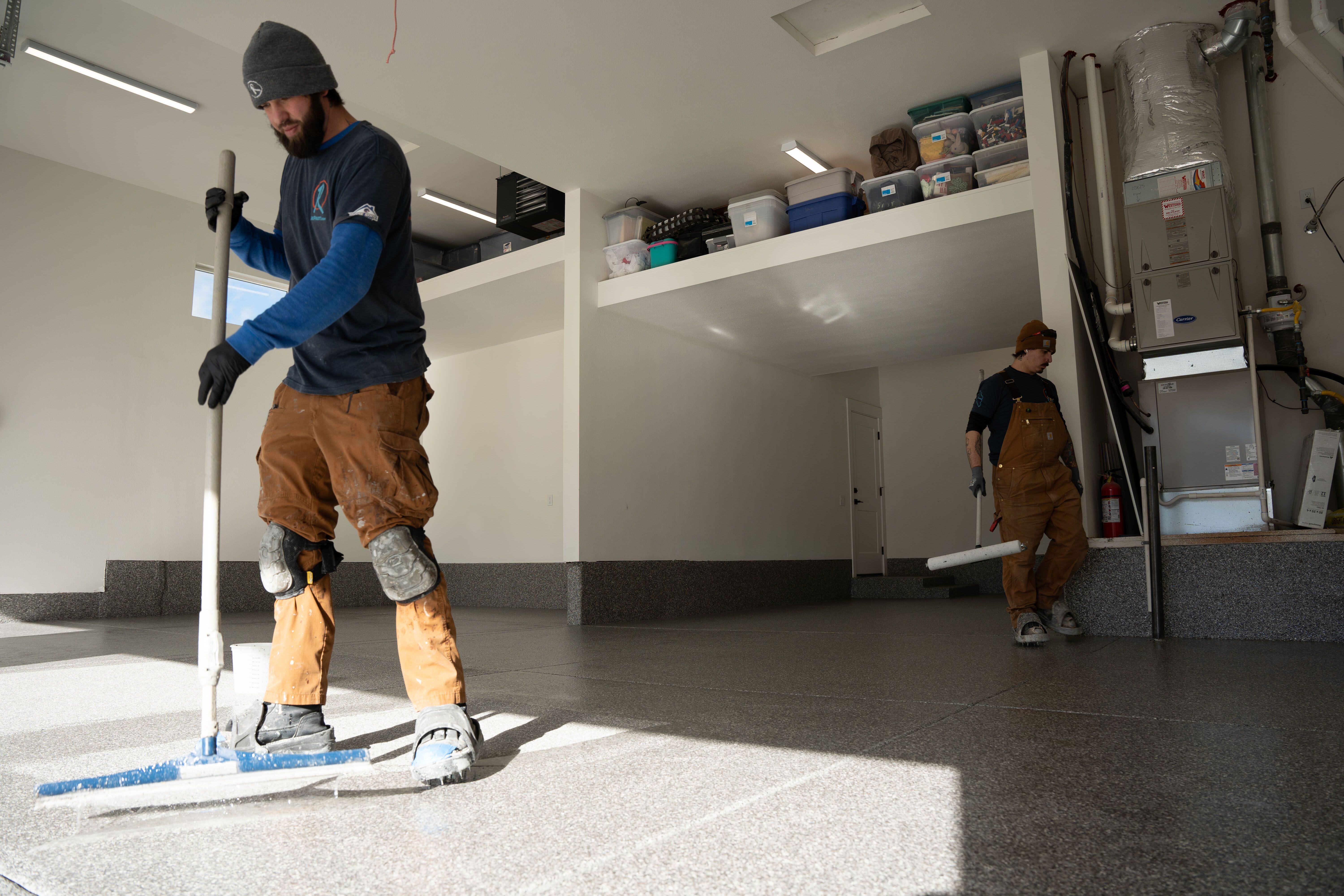
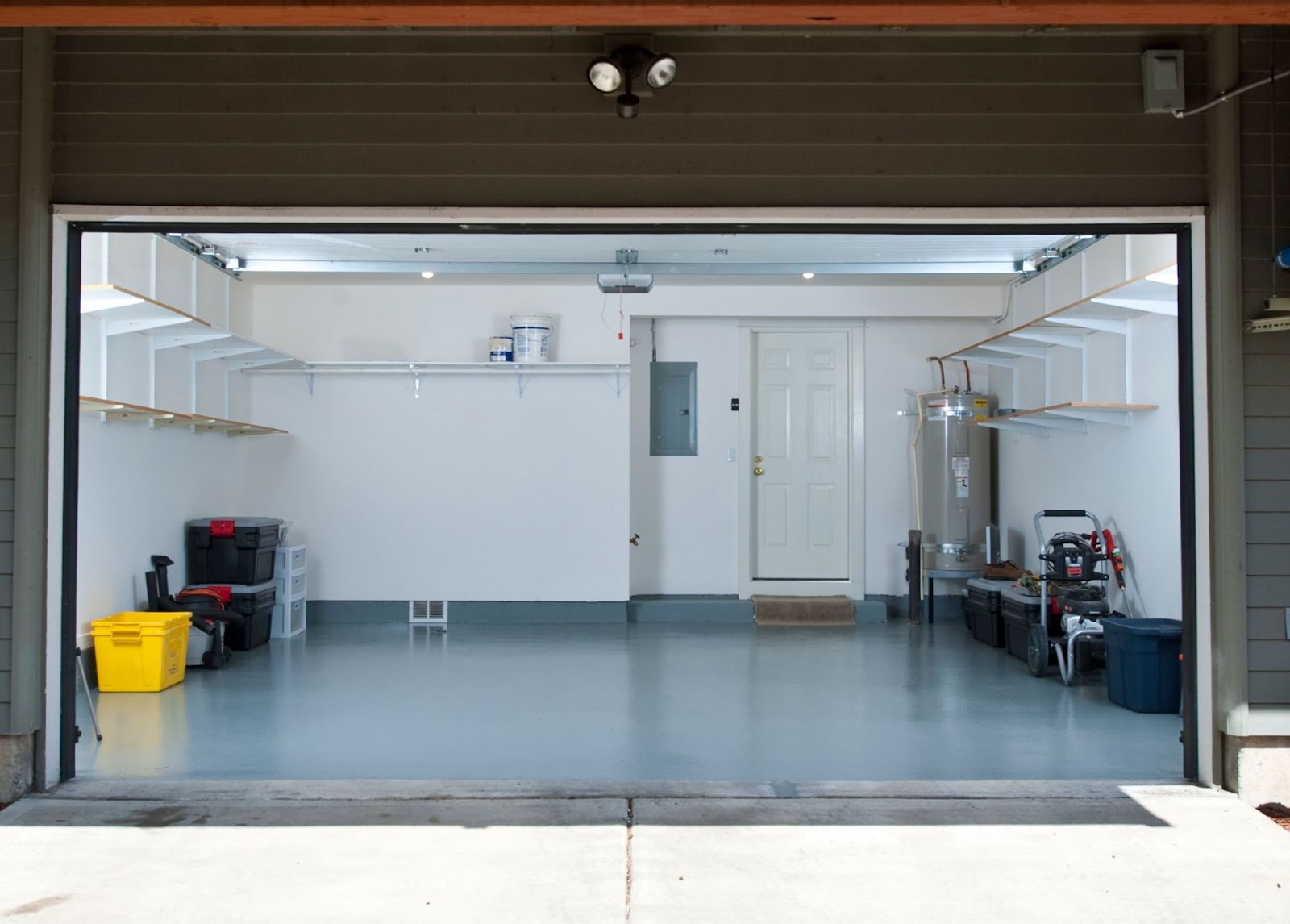
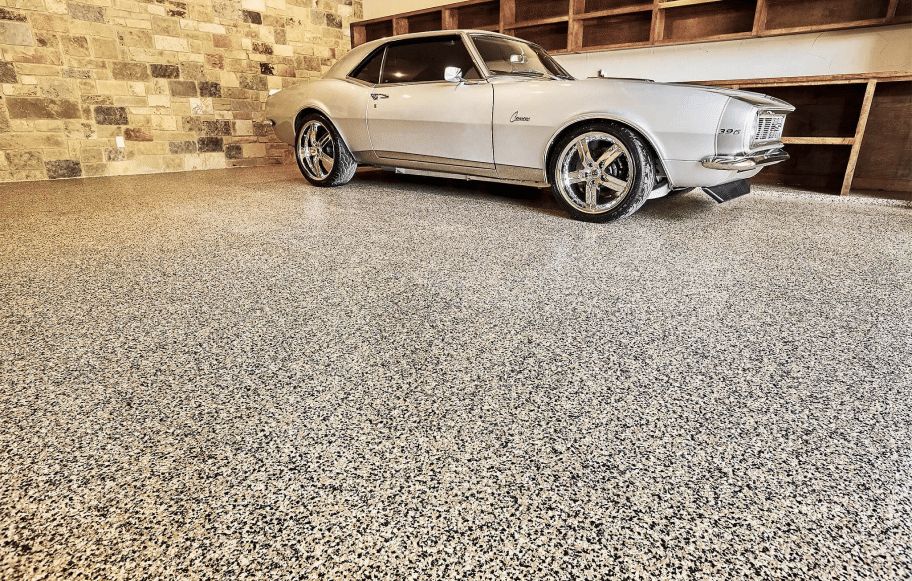
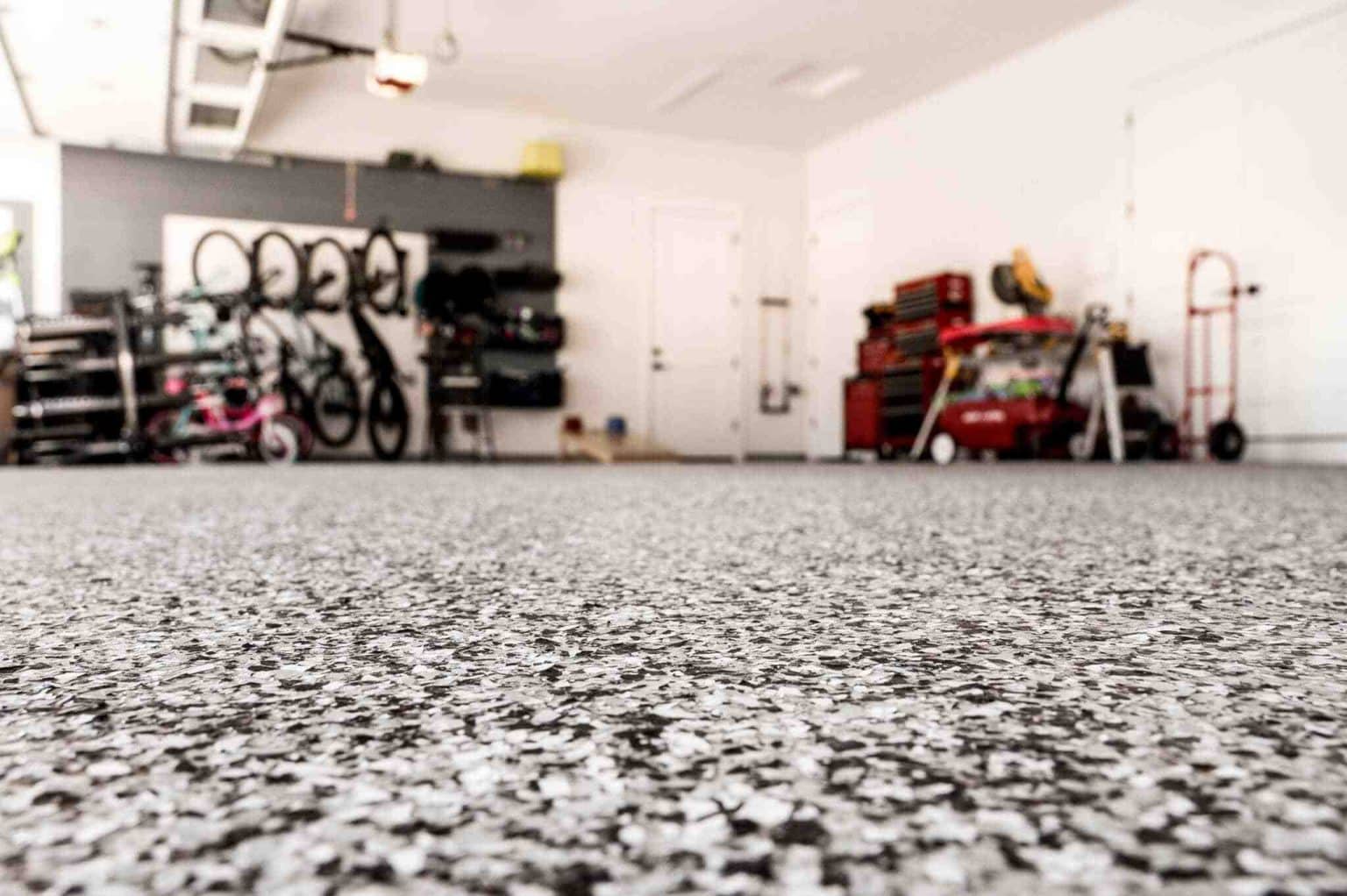
If epoxy or polyaspartic concrete floor coatings aren't in your budget, concrete polishing can be a more affordable option to upgrade your garage floors. It will resist tire marks, oil stains, and moisture, and it provides a clean, finished look.
Polished Concrete in Offices & Commercial Spaces
Polished concrete gives office interiors a professional, upscale look while being easy to maintain. It reflects light to brighten common areas and stands up to daily foot traffic without showing wear easily.
Using Concrete Polishing for Restaurants & Breweries
Concrete polishing offers a seamless, sanitary surface that's ideal for hospitality environments. It's easy to clean, smooth, and matches all kinds of aesthetics.
Concrete Polishing for Schools & Government Buildings
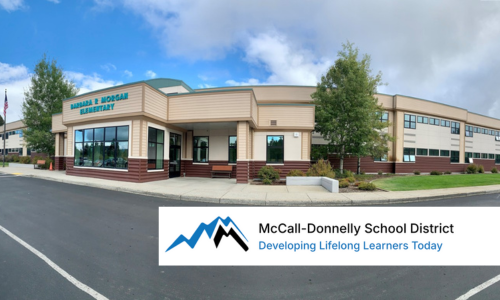
These high-traffic environments benefit from the long lifespan and low maintenance of polished concrete. It's a cost-effective option for public buildings that need durability, safety, and visual appeal that lasts over time.

Where Might Polished Concrete Not Be the Right Choice?
While polished concrete performs well in many interior spaces, there are a few cases where it may not be the best solution.
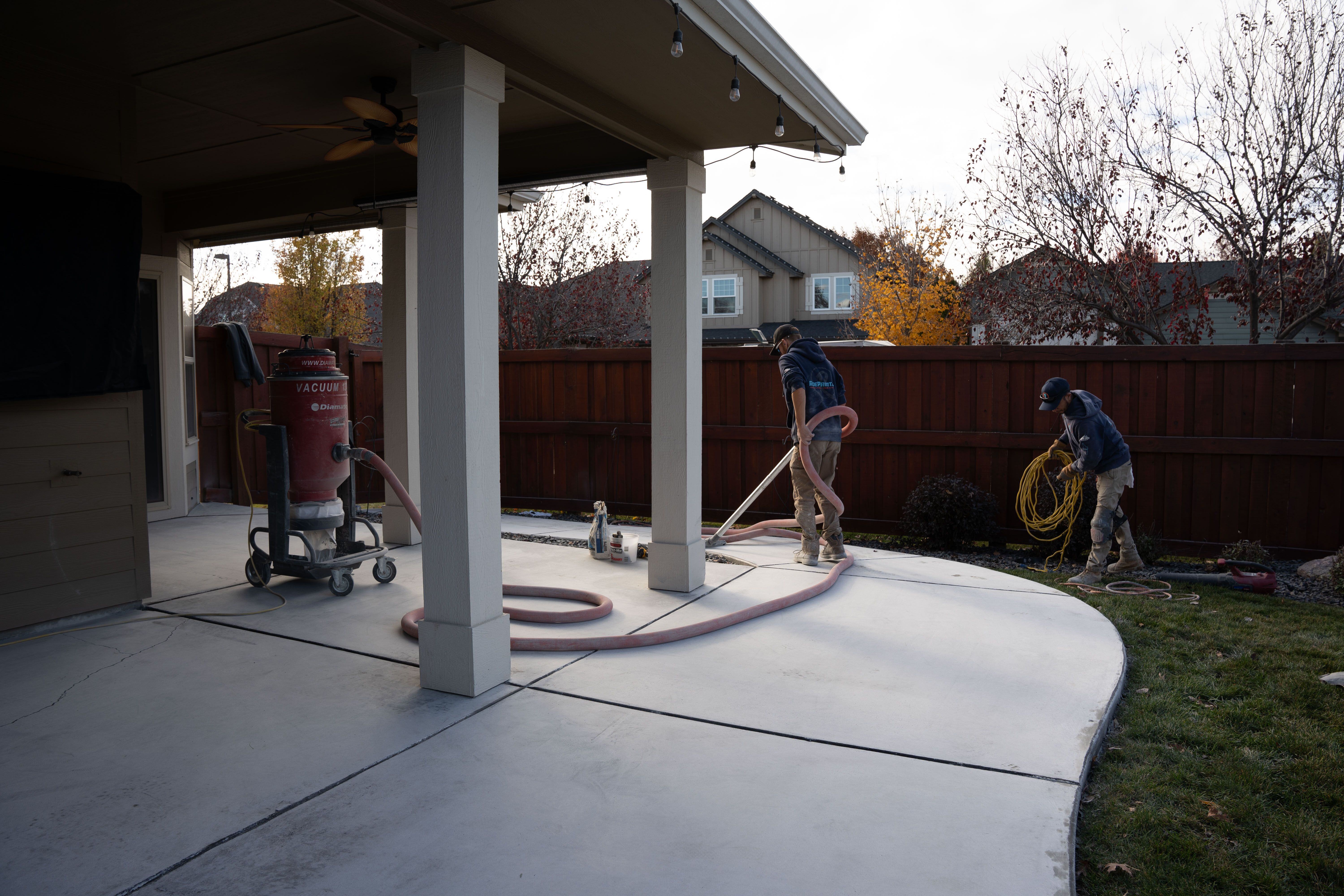
- Outdoor Areas
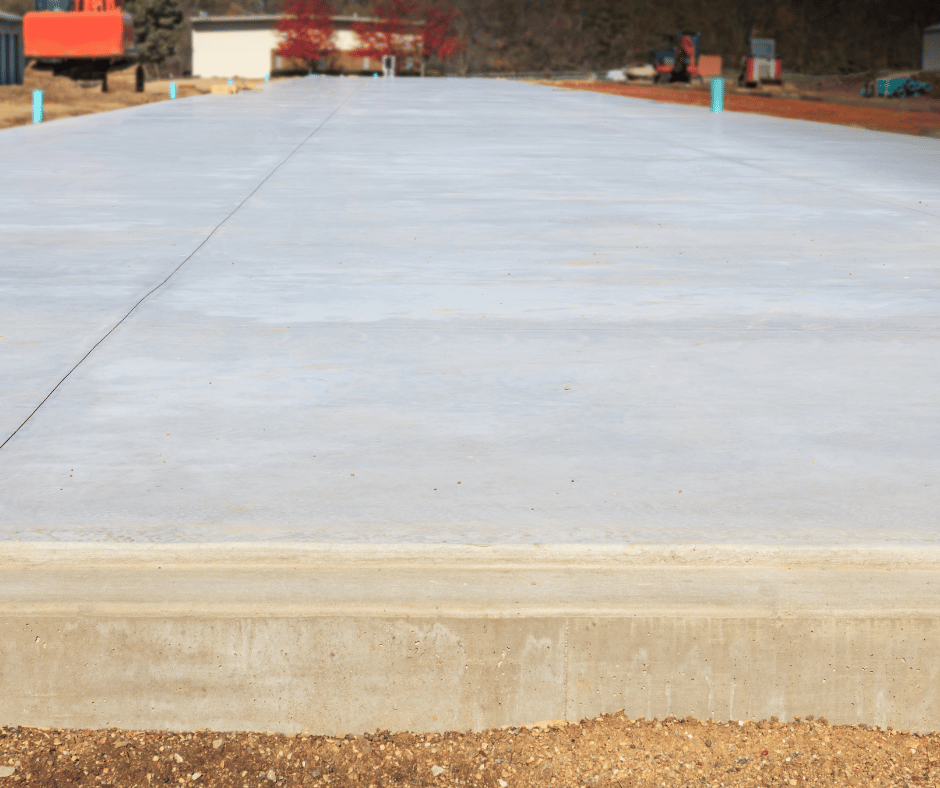
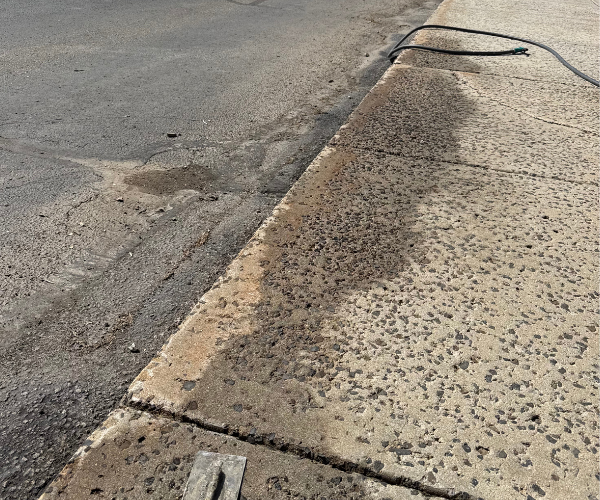
Polished concrete is not made for exterior use. Weather exposure, UV rays, and freeze-thaw cycles can damage the surface over time. For patios, driveways, or sidewalks, sealed or textured concrete is usually the better choice. - High-Moisture Environments
Spaces with ongoing moisture concerns (like commercial kitchens, locker rooms, or below-grade basements) may require a finish with better slip resistance and moisture protection. A grind-and-seal system can often be a better fit in these cases. - Projects with Tight Timelines
Polishing is a multi-step, multi-day process that requires curing and burnishing between stages. If you're on a compressed schedule, a grind and seal finish takes less time and can often be completed in fewer steps with faster turnaround. - Need for Added Traction
Because polished concrete achieves a smooth, high-gloss finish, it can't be modified with traction additives. If slip resistance is a top priority, other finishing methods allow for that flexibility.
Better Alternatives for These Scenarios
If your project falls into one of these categories, a grind and seal system may give you similar durability and aesthetics with more flexibility and less downtime.
What to Consider Before Choosing Polished Concrete
Polished concrete is a great flooring option. It's durable, looks great, and has long-term value, but it's not a one-size-fits-all solution. Keep these things in mind when considering concrete polishing:
Your Existing Slab Matters
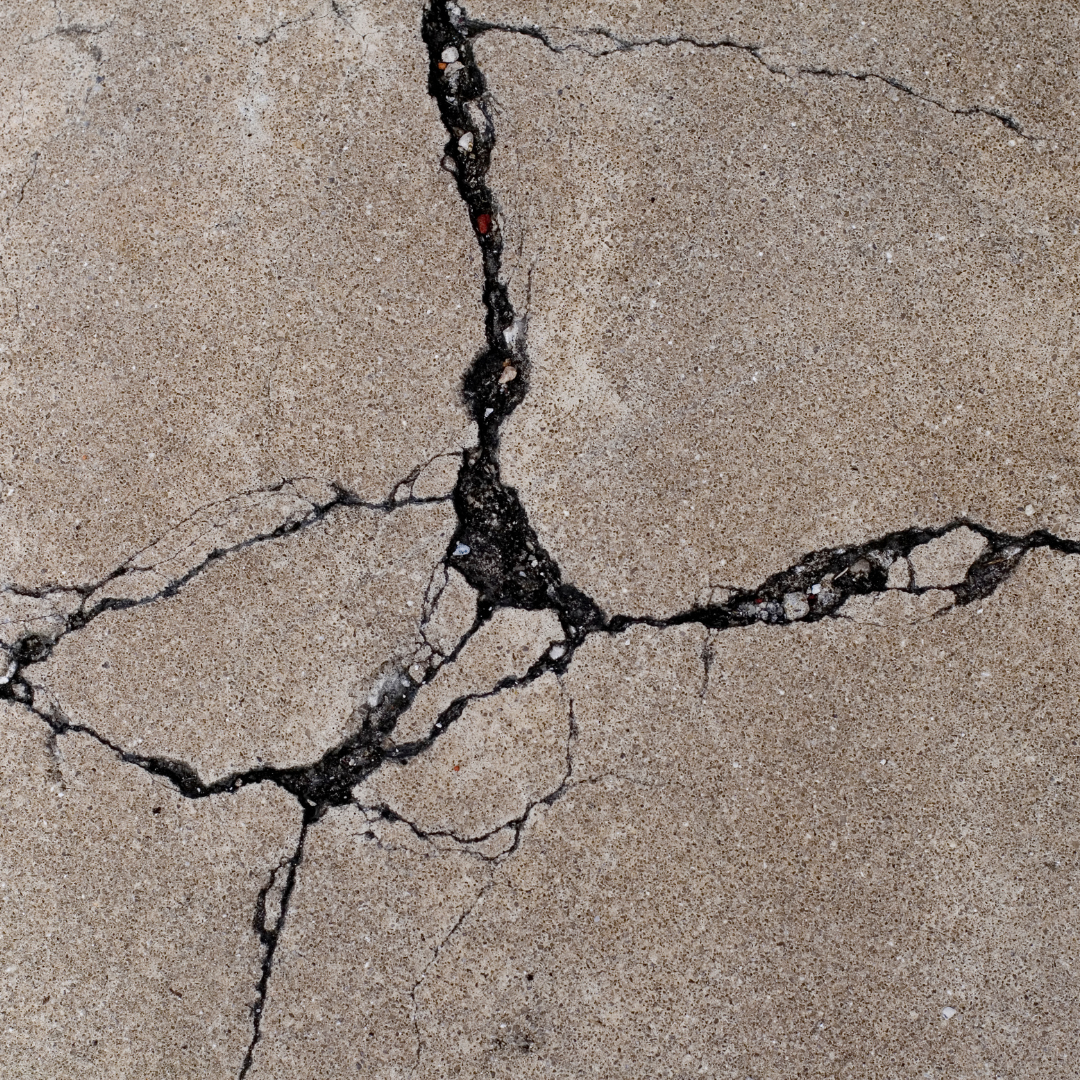
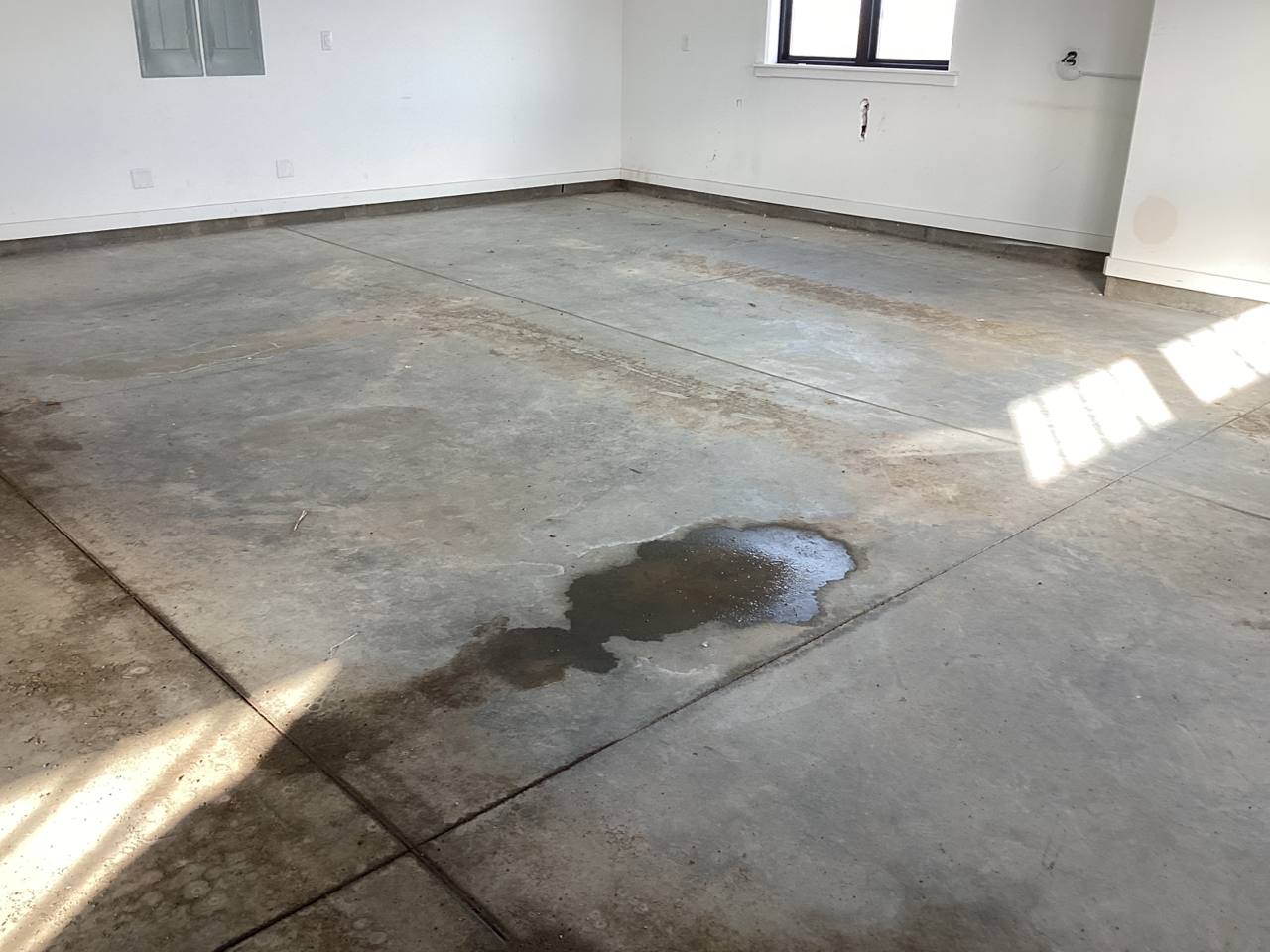
Polishing doesn't cover damage. It actually reveals it. If your concrete is cracked, uneven, or stained beyond repair, polishing may not give you the result you expect without extensive prep.
It's Low Maintenance, Not No Maintenance
Polished floors don't need waxing or sealing, but they still require cleaning and, over time, occasional buffing to maintain their shine — especially in high-traffic areas.
Budget and Timeline Could Be Factors
The polishing process is more labor-intensive than some alternatives. If you're working within a tight budget or need a faster turnaround, it might not be the most practical choice.
Gloss Level Isn't Adjustable
Polished concrete delivers a high-gloss finish by default. If you want a matte or satin look, or the ability to dial in your gloss level, you'll likely want to explore other finishing methods.
Slip Resistance is Limited
Because it's a smooth finish, traction can't be added to polished concrete. If safety is a concern in your space, that could be a dealbreaker.
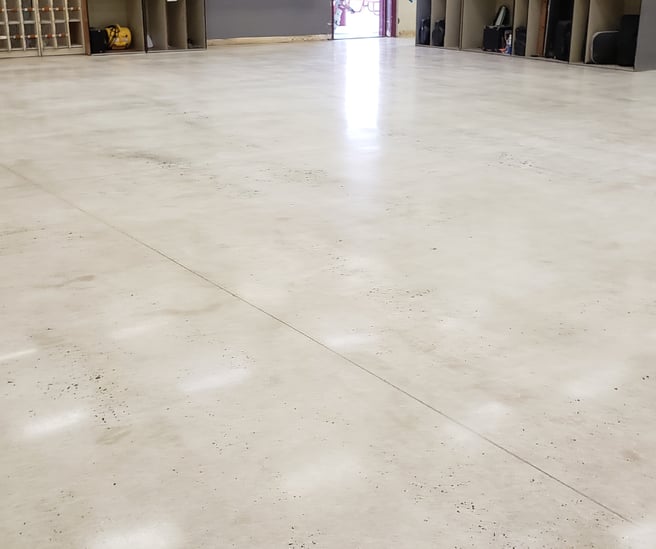
Is Polished Concrete the Right Fit for Your Space?
Not every floor is the same, and neither is every finish.
Polished concrete isn't only about appearance. It's a durable, low-maintenance solution that works well when the conditions are right. Solid slab, consistent traffic, and a space that benefits from a clean, refined surface. This is where polished concrete shines.
In the end, it's important to make the right call for your space, based on how it is used and what matters most to you long term.
If you're still comparing options, take a look at our breakdown of polished concrete vs. grind and seal. It lays out the key differences to help you decide with confidence.
And if you're ready to have your space walked and talk with the pros, we are here to help. Just request an estimate to get started.
Topics: